
Reverse Shoulder Replacement in Lincoln, NE
Reverse Shoulder Replacement
Chronic shoulder pain can make even simple movements, like reaching overhead or getting dressed, frustrating and difficult. When the shoulder joint is severely damaged and non-surgical treatments no longer provide relief, surgery may become an option.
Reverse shoulder replacement is a specialized procedure designed to reduce pain and restore function for many people with complex shoulder conditions, particularly when the rotator cuff is no longer working properly.


The Shoulder Joint
The shoulder joint involves three primary bones: the humerus, the scapula, and the clavicle. The humerus, the long bone of the upper arm, features a rounded top, the humeral head, which typically acts as the “ball.” The scapula, or shoulder blade, provides a shallow concavity known as the glenoid, which serves as the “socket.”
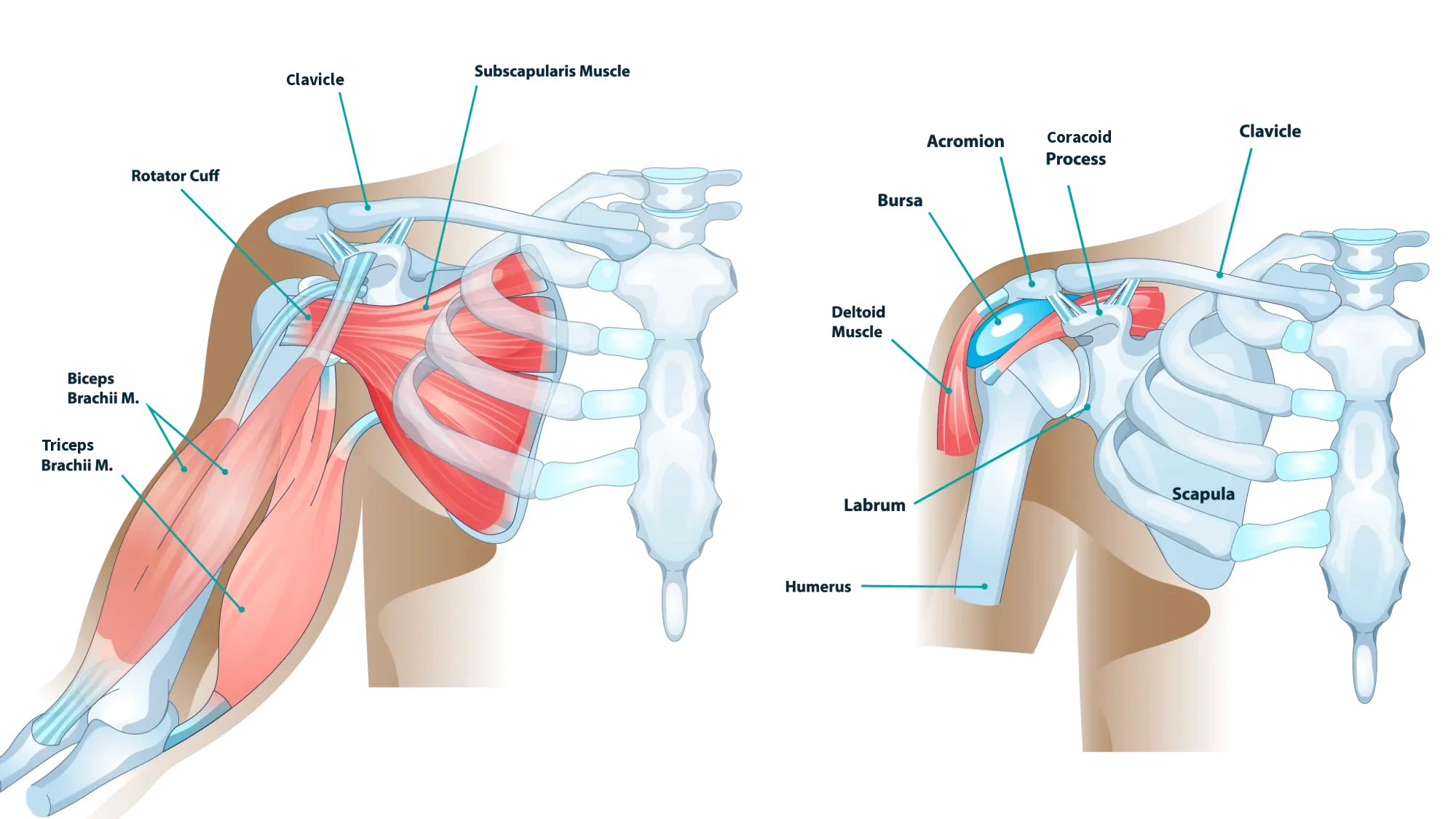
Within a healthy shoulder, a smooth, protective layer of articular cartilage covers the surfaces of the humeral head and the glenoid. This cartilage allows for frictionless gliding between the bones, facilitating smooth and pain-free movement. Surrounding and stabilizing this joint is the rotator cuff, a group of four tendons and their associated muscles. These structures are important for initiating and controlling arm movements. When these components become damaged, it can lead to severe pain, weakness, and loss of motion.
When Is Reverse Shoulder Replacement Considered?
Orthopedic surgeons typically recommend reverse shoulder replacement for patients facing shoulder conditions where a traditional total shoulder replacement would not be effective. This procedure is often considered when non-surgical treatments, such as physical therapy, medication, and activity modification, have failed to provide lasting relief. The design of a reverse shoulder replacement allows the deltoid muscle, a large muscle covering the shoulder, to power arm movement, bypassing a damaged or non-functional rotator cuff.
Key indications for considering a reverse shoulder replacement include:
- Rotator Cuff Tear Arthropathy: This occurs when a large, irreparable rotator cuff tear is combined with severe arthritis of the shoulder joint. The torn rotator cuff can no longer stabilize the humeral head, leading to its upward migration and grinding against the acromion (part of the scapula).
- Revision Shoulder Replacement: If a patient has undergone a prior total shoulder replacement that has failed, particularly due to rotator cuff dysfunction or loosening of components, a reverse shoulder replacement may be a suitable revision option.
- Complex Shoulder Fractures: Severe, comminuted fractures of the humeral head, especially in older patients, can sometimes be best treated with a reverse shoulder replacement. This is particularly true when the bone quality is poor or the rotator cuff is also compromised.
- Irreparable Rotator Cuff Tears without Significant Arthritis: In some cases, patients may have a massive, irreparable rotator cuff tear that causes severe pain and functional limitation, even without advanced arthritis.
Your surgeon will thoroughly evaluate your condition to determine if reverse shoulder replacement is the most appropriate treatment for you.
The Reverse Shoulder Replacement Procedure
Instead of mimicking the natural anatomy, the reverse shoulder replacement procedure reverses the ball-and-socket configuration. This innovative design allows for a different set of muscles to power arm movement, which is useful when the rotator cuff is severely damaged or non-functional.
During the surgery, the surgeon first removes the damaged bone and cartilage from the shoulder joint. Then, a metal ball (glenosphere) is securely attached to the glenoid, the shallow socket of the shoulder blade. A plastic socket (humeral cup) is then placed on the top of the humerus, the upper arm bone. This creates a stable pivot point that allows the deltoid muscle to lift the arm, even without a functioning rotator cuff.

Preparing for a Successful Surgical Outcome
A proactive approach in the weeks leading up to surgery can help enhance both the surgical experience and the rehabilitation process.
Medical Clearance and Pre-Operative Assessments
Pre-operative assessments typically include comprehensive blood tests, an electrocardiogram (EKG), and any required imaging studies. These evaluations are used to identify any potential health risks and allow the medical team to develop a personalized care plan tailored to your needs.
Medication Management
It is necessary to have an open and detailed discussion with your surgeon about all prescription medications, over-the-counter drugs, and supplements you are currently taking. Your surgeon will provide instructions on which medications to discontinue and the appropriate timing for doing so. Patients should also try to make arrangements to obtain all necessary post-operative pain medications and supplies in advance of the surgery date.
Preparing Your Home Environment
Thoughtfully preparing your home can ease your daily life during the initial weeks of recovery. Following surgery, you will likely need to wear a sling, which may substantially limit the use of your operated arm. Consider implementing these practical preparations:
- Create a Dedicated Recovery Zone: Designate a comfortable area where you will spend most of your time. Ensure that essential items such as remote controls, your phone, reading materials, and medications are conveniently within arm’s reach.
- Pre-Prepare Meals: Cook and freeze several single-serving meals in advance. This foresight eliminates the need to prepare food with only one functional arm during your recovery.
- Adapt Your Wardrobe: Select loose-fitting shirts that feature buttons or zippers at the front. Attempting to pull shirts over your head will likely prove challenging, if not impossible, with limited shoulder motion.
- Eliminate Potential Hazards: Clear all pathways and remove any throw rugs. These measures are designed to minimize the risk of an accidental fall.
- Arrange for Support: You may require assistance with various daily activities, including bathing, dressing, and driving. It is advisable to arrange for a trusted friend or family member to provide support during the initial recovery period.
The Post-Operative Recovery Journey
Immediately following reverse shoulder replacement surgery, the primary focus shifts to pain management and rigorous protection of the surgical site. Your medical team will likely employ a combination of nerve blocks and various medications to ensure adequate pain relief. Your arm will remain immobilized in a sling or specialized immobilizer. Patients receive instruction on safe techniques for movement and performing basic tasks using their non-operated arm.
Physical Therapy
Physical therapy is often a key component in the process of regaining strength and mobility after reverse shoulder replacement. While the exact timelines and structured programs may vary based on individual patient needs and surgeon protocols, the recovery process is generally segmented into distinct phases.
Phase 1: Protection and Gentle Motion: The primary objective during this initial phase is to rigorously protect the surgical repair while preventing stiffness. The physical therapist will guide you through gentle, controlled movements, often focusing on passive or assisted range of motion. This means the therapist, or occasionally a specialized machine or your non-operated arm, will gently move your arm. You will generally not actively engage your shoulder muscles during this stage.
Phase 2: Gradual Active Motion and Early Strengthening: Once your surgeon confirms that adequate soft tissue healing has occurred, you may gradually advance to active range of motion exercises. During this phase, you will begin to move your arm independently, utilizing your own muscles. The therapist may also introduce light strengthening exercises, carefully progressing the intensity.
Phase 3: Advanced Strengthening and Functional Return: This advanced phase is dedicated to building robust strength and enhancing endurance. You may commence more intensive strengthening exercises, often incorporating resistance. The aim is to progressively work toward a safe return to recreational activities and more demanding tasks. Your physical therapy program will be tailored to align with your specific lifestyle and personal goals.
Long-Term Expectations and Recovery Timeline
Recovery after reverse shoulder replacement takes time, and progress tends to happen gradually. Many patients notice meaningful improvements in pain relief and daily function within the first few months, with continued gains over the first six months. For some, recovery continues for up to a year or longer as strength improves and movement becomes more natural.
Long-term success also depends on how well the shoulder is cared for after surgery. Patients are typically advised to avoid heavy lifting and high-impact activities that could place excessive stress on the implant. Following your surgeon’s guidelines may help protect the replacement and support its durability over time.
Regular follow-up visits with your surgeon are an important part of ongoing care. During these appointments, your surgeon may assess shoulder function, monitor implant stability, and obtain periodic X-rays to check for any changes. Staying consistent with follow-up care and activity recommendations can help maximize both comfort and the long-term performance of your reverse shoulder replacement.
Summary
Reverse shoulder replacement is a specialized surgical option for patients with complex shoulder conditions, such as irreparable rotator cuff tears, advanced arthritis, or failed prior surgeries, who have not found relief with non-surgical treatment. By changing how the shoulder joint functions, the procedure allows other muscles to help lift the arm, often resulting in significant pain relief and improved mobility.
Recovery requires active participation, including physical therapy and following your surgeon’s recommendations. While all surgeries carry some risk, many patients experience meaningful improvements in comfort, function, and quality of life. If persistent shoulder pain and limited movement are affecting your daily activities, a consultation with Dr. Woodhead can help determine whether reverse shoulder replacement may be an appropriate option.
Schedule a Consultation Today!