
Shoulder Trauma Care in Lincoln, NE
Benjamin M. Woodhead, DO | Lincoln, NE Orthopedic Surgeon
Shoulder Trauma Care
Shoulder trauma care focuses on timely evaluation, accurate diagnosis, and a structured plan for recovery. These injuries can involve bones, tendons, ligaments, and joint surfaces, often in combination. Understanding what has been damaged is essential for determining whether the shoulder can heal with protection and therapy or whether surgical care may be appropriate.
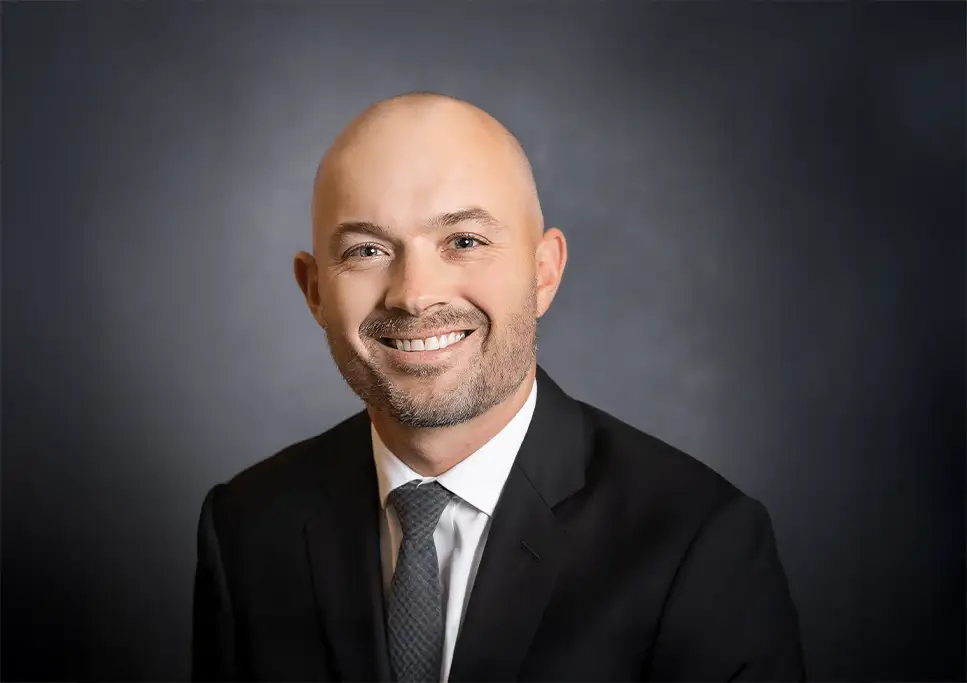
Dr. Benjamin M. Woodhead is a fellowship-trained orthopaedic surgeon with advanced expertise in shoulder and upper extremity care. He provides careful assessment of traumatic injuries and helps patients understand what has occurred, what treatment options exist, and steps to recovery.

Understanding Shoulder Trauma
Traumatic shoulder injuries often happen suddenly and without warning. A fall, motor vehicle accident, workplace incident, or sports collision can instantly change how the shoulder moves and feels. Pain, deformity, swelling, and loss of motion may appear immediately, leaving patients uncertain about the severity of the injury and the best next step.
The shoulder is designed for motion rather than rigidity. While this allows exceptional range of movement, it also makes the joint vulnerable during high-energy events. Trauma can disrupt the normal relationship between the bones and soft tissues, leading to fractures, dislocations, tendon injuries, or combinations of these problems.
Common causes of shoulder trauma include:
Falls onto an outstretched arm
Direct blows during sports or accidents
Motor vehicle collisions
Workplace injuries involving heavy lifting or impact
Traumatic injuries may present with severe pain, visible deformity, bruising, swelling, numbness, or inability to move the arm. Some injuries are immediately obvious, while others evolve over time as swelling subsides and movement is attempted.
Prompt evaluation allows the injury to be properly characterized and prevents secondary problems such as stiffness, improper healing, or chronic instability.
Shoulder Fractures
Fractures are a common result of shoulder trauma and may involve several different bones:
The proximal humerus at the top of the arm
The clavicle or collarbone
The scapula or shoulder blade
Proximal humerus fractures are especially common after falls, particularly in older adults. Symptoms often include deep shoulder pain, swelling, bruising, and difficulty moving the arm. Clavicle fractures may cause visible deformity along the collarbone, while scapular fractures are often associated with higher-energy trauma.
Not all fractures require surgery. Many can heal with immobilization followed by structured rehabilitation. Others may require surgical alignment when bone position, joint involvement, or functional demands make nonoperative healing less predictable.
The decision is based on fracture pattern, displacement, joint involvement, overall health, and personal goals.
Other Traumatic Shoulder Injuries
Trauma does not affect bones alone. The same event may damage soft tissues that stabilize and move the joint. Common associated injuries include:
Shoulder dislocations
Rotator cuff tears
Labral injuries
Ligament disruption
A dislocation occurs when the ball of the shoulder moves out of the socket. This may stretch or tear surrounding structures and increase the risk of future instability. Tendon injuries may develop at the time of trauma or shortly afterward, contributing to weakness and pain.
These combined injuries often require careful imaging and examination to ensure that all components of the problem are recognized.
Evaluation After Injury
Accurate diagnosis is the foundation of effective shoulder trauma care. After an injury, evaluation begins with a detailed discussion of how the event occurred, including the direction of force, position of the arm, and symptoms that developed immediately afterward. This context often provides important clues about which structures may be involved.
A physical examination follows, focusing on swelling, deformity, range of motion, strength, and joint stability. Even when movement is limited by pain, careful assessment helps identify patterns that suggest fracture, dislocation, tendon injury, or nerve involvement. Because traumatic injuries frequently involve more than one structure, evaluation is designed to look beyond a single obvious problem.
Imaging plays a central role in clarifying the full extent of injury. X-rays are typically used to assess bone alignment, joint position, and fracture patterns. When soft tissue injury is suspected, advanced imaging may be used to evaluate tendons, cartilage, and ligaments. The goal is to understand not only what is injured, but how each component contributes to the patient’s pain and loss of function.
This comprehensive approach allows injuries that can heal with protection and rehabilitation to be distinguished from those that may benefit from procedural or surgical care. It also helps prevent missed diagnoses that could lead to long-term stiffness, weakness, or instability.
Treatment Approaches
Treatment of shoulder trauma is highly individualized and based on both the injury pattern and the patient’s functional needs. Some injuries are well suited to nonoperative care, while others require intervention to restore alignment, stability, or joint mechanics.
Nonoperative treatment often begins with a period of protection using a sling to reduce pain and allow healing to begin. As symptoms improve, guided motion is introduced to prevent stiffness and maintain joint health. Physical therapy then focuses on restoring strength, coordination, and balanced movement of the shoulder and shoulder blade. Activity modification is an important part of this phase, allowing healing tissues to recover without repeated stress.
Surgical care may be considered when normal anatomy cannot be restored through conservative means. This may include fractures that are significantly displaced, injuries involving the joint surface, unstable dislocations, or tendon tears that compromise shoulder function. In these situations, surgery is used to realign bones, repair damaged soft tissues, or restore stability so that rehabilitation can proceed in a controlled and predictable way.
The choice between nonoperative and surgical treatment is not based on imaging alone. It reflects how the injury affects daily life, the demands placed on the shoulder, and the patient’s goals. Each plan is designed to provide a clear path toward healing while respecting the complexity of traumatic shoulder injuries.
Recovery After Shoulder Trauma
Recovery following shoulder trauma depends on the nature of the injury and the treatment selected. Healing often occurs in stages, beginning with protection and pain control, followed by gradual restoration of motion and strength.
Physical therapy usually plays a central role in recovery. Early phases focus on safe movement and preventing stiffness. Later phases emphasize rebuilding strength, coordination, and endurance. Return to work, sports, or overhead activity is guided by healing and functional progress rather than a fixed timeline.
Even when surgery is not required, structured rehabilitation is essential to restore confident and balanced shoulder movement.
Summary
Traumatic shoulder injuries can be complex and disruptive, affecting both comfort and independence. Whether the injury involves a fracture, dislocation, tendon damage, or a combination of problems, careful evaluation is essential to guide appropriate care.
Dr. Benjamin M. Woodhead provides shoulder trauma care in Lincoln, NE with a focus on accurate diagnosis, individualized planning, and clear communication. If you have sustained a shoulder injury from a fall, accident, or impact, request an appointment to explore the extent of injury and outline a thoughtful path toward recovery.