Medically reviewed by Benjamin M. Woodhead, DO
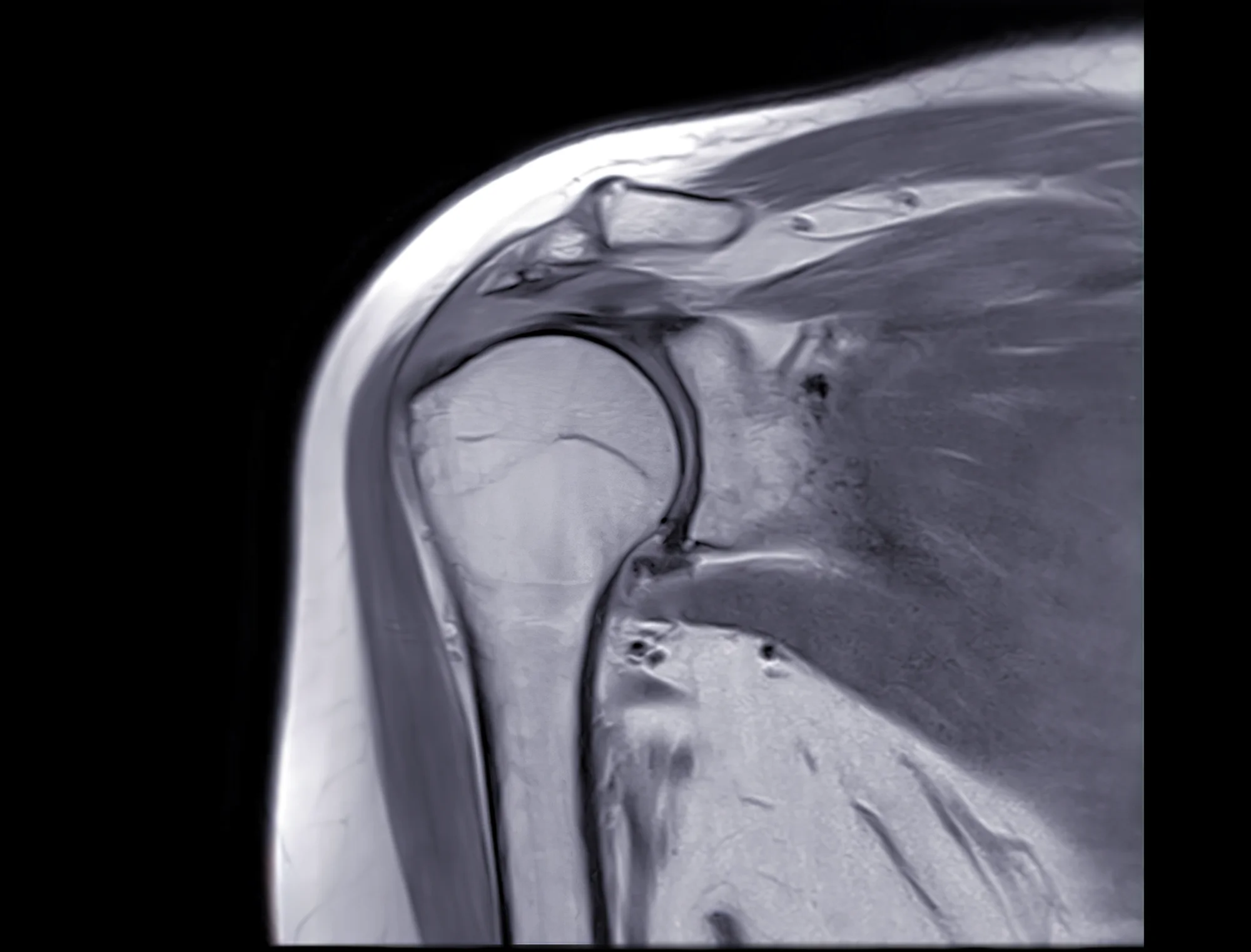
Wondering “What age is too young for shoulder replacement?” Usually this question comes from someone who has been dealing with debilitating shoulder pain for years, has already tried everything conservative, and is starting to wonder if surgery is the answer. Age alone is rarely what determines whether shoulder replacement is appropriate. What matters far more is the condition of the joint, the severity of symptoms, and whether the right implant and surgical approach can support someone who may still have decades of active life ahead.
Key Takeaways
- Age is not a hard cutoff for shoulder replacement. The severity of joint damage, symptoms, and a patient’s goals matter more than a number.
- Younger patients do face a higher likelihood of needing revision surgery at some point, which is a real consideration in the decision.
- Implant design has advanced significantly, with newer systems specifically engineered to improve long-term durability and preserve bone for future revision if needed.
Why Age Comes Up in the Shoulder Replacement Conversation
Shoulder replacement is a procedure for relieving pain and restoring function when the joint has been damaged beyond what conservative care can address. Most shoulder replacements are performed in patients in their sixties and beyond, and that’s partly because the conditions that lead to it, primarily osteoarthritis, tend to develop over many decades.
The concern around shoulder replacements in younger patients isn’t really about age in isolation. It’s about longevity. Shoulder implants are not guaranteed to last forever. Traditional glenoid components, the socket side of the replacement, can loosen over time, and the data shows that patients under 55 face meaningfully higher revision rates than older patients. A 45-year-old who has a shoulder replacement today may need a second one at some point in the future, and that revision surgery is generally more complex than the original procedure. That’s a real consideration, and it has to be part of the discussion.
What it does not mean is that younger patients should simply be told to wait and suffer. A shoulder that has been destroyed by post-traumatic arthritis, inflammatory disease, or severe osteonecrosis is not going to improve on its own.
What Brings Younger Patients to This Conversation?
Post-traumatic arthritis
A prior injury, such as a shoulder fracture, a dislocation that caused structural damage, or a previous surgery that altered the joint mechanics, can accelerate cartilage breakdown considerably. Someone who fractured their humeral head at 30 may have a shoulder that looks arthritic at 45.
Inflammatory arthritis
Rheumatoid arthritis and other inflammatory conditions can destroy cartilage in a way that is aggressive and relatively rapid. Patients with long-standing inflammatory disease may develop severe joint damage well before the age when osteoarthritis would typically become a concern. Medications have improved outcomes considerably, but they don’t always prevent joint destruction in affected joints.
Osteonecrosis
Osteonecrosis, sometimes called avascular necrosis, occurs when the blood supply to the humeral head is disrupted, causing the bone to collapse. It can follow certain fractures, prolonged steroid use, or other underlying conditions. The result can be a severely damaged joint surface in a relatively young patient who otherwise has very little wrong with their shoulder.
Primary glenohumeral arthritis
Some patients simply develop osteoarthritis earlier than expected. Genetics, anatomy, prior activity level, and other factors can contribute to earlier-onset joint degeneration. This is less common than the conditions above, but it does occur, and when the damage is severe enough, the symptoms can be just as limiting.
What I See in Younger Patients in My Practice
In Lincoln, Nebraska, I see a range of patients who arrive at this conversation younger than the “typical” shoulder replacement candidate. A lot of them have been managing their pain for years, sometimes over a decade, before we talk about surgery. They’ve modified their activities. They’ve done the physical therapy. They’ve had the injections. By the time they sit down with me, they’re not asking whether to have surgery because it sounds convenient. They’re asking because they’ve run out of other options and their quality of life has deteriorated to a point that isn’t acceptable.
Younger patients also tend to have higher functional expectations than older ones. A 48-year-old who wants to stay active, keep working a physical job, and be present with their kids has different goals than a 72-year-old whose primary aim is comfortable daily living. I take those goals seriously. They affect which procedure makes sense and how I structure the recovery and return-to-activity plan.
The Implant Question: Why It Matters More in Younger Patients
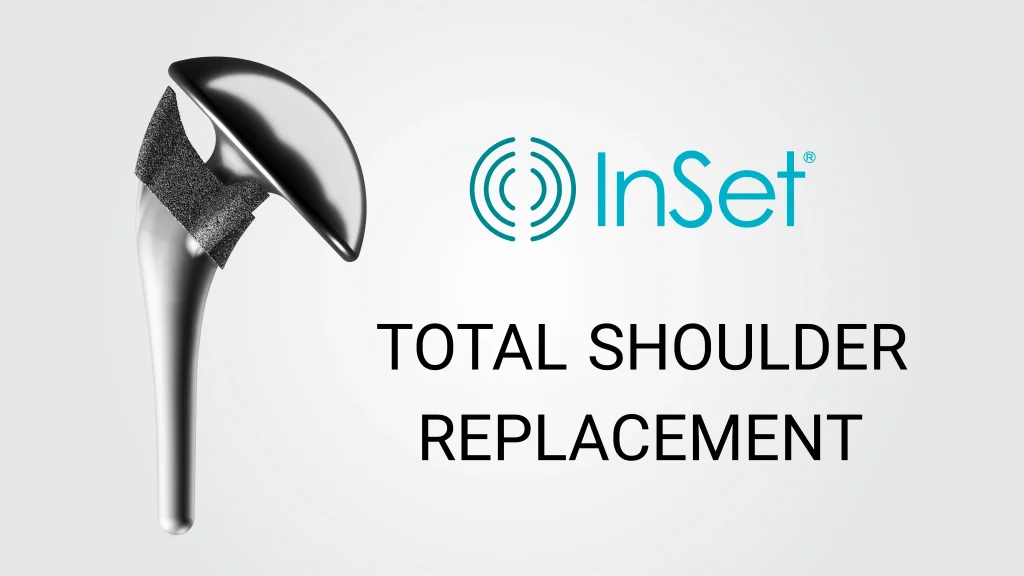
When I perform total shoulder replacement in a younger patient, the implant choice carries a lot of weight. The reason is straightforward: a younger patient has more years ahead, which means more cumulative load on the components and a longer window in which problems can develop.
The most common reason for revision after shoulder replacement is glenoid component loosening, where the socket side of the implant gradually loses fixation in the bone. With traditional glenoid implants, studies show survival rates in patients under 55 can drop to around 62% at ten years, compared to over 90% in the broader population.
This is one of the reasons I use the InSet® Total Shoulder System from Shoulder Innovations. Unlike traditional glenoid implants that sit on top of the bone surface, the InSet® glenoid component is placed within the strongest supportive bone of the glenoid. That positioning reduces the mechanical stress on the component, which is directly related to how long it stays fixed over time. For a younger patient who may be living with this replacement for 20 or 30 years, that engineering difference matters.
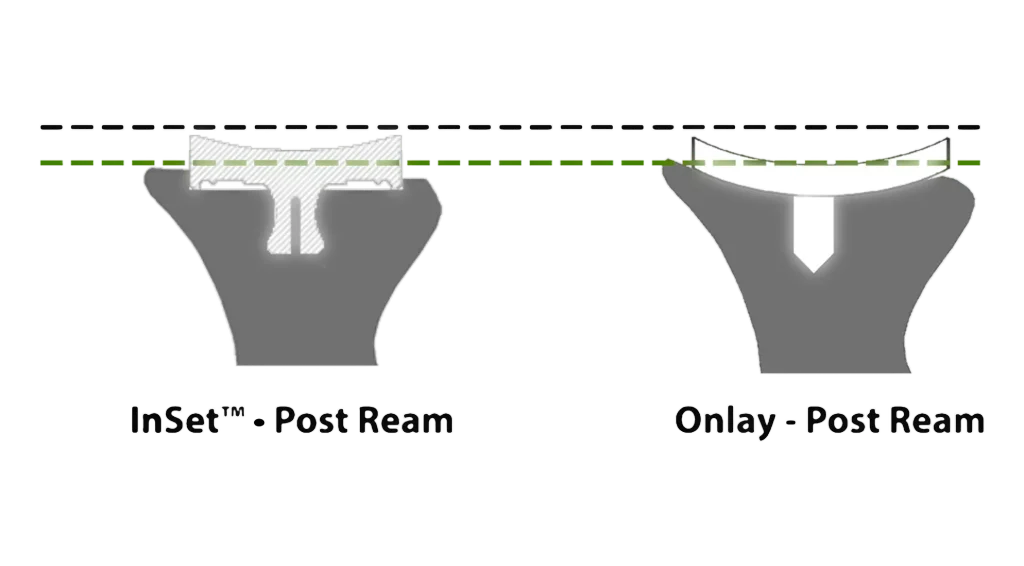
Bone preservation is the other side of this equation. If a revision is ever needed, having adequate bone stock remaining makes that second procedure considerably more straightforward. The InSet® system is designed with bone preservation in mind, which I find particularly relevant when operating on someone who realistically may need a revision at some point down the road. I’d rather give them the best possible foundation for that future scenario than ignore it.
What About Reverse Shoulder Replacement in Younger Patients?
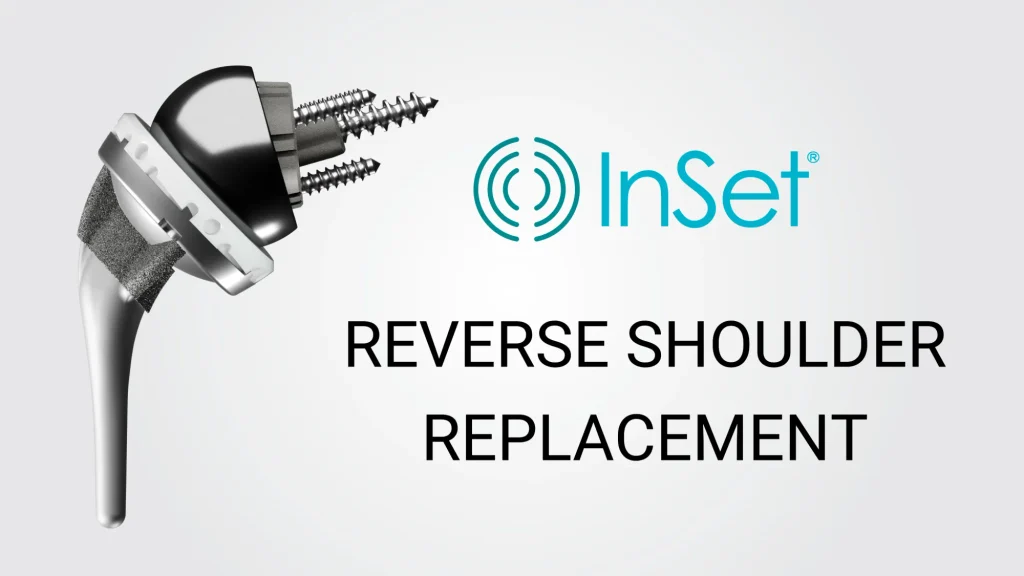
Reverse shoulder replacement was originally developed for older patients with rotator cuff tear arthropathy, but the indications have expanded considerably. It may be the right call in younger patients when the rotator cuff is no longer functional. When it is the right choice, I use the InSet® Reverse Shoulder System, which is designed to preserve bone and allows for easier revision down the road if one is ever needed.
When Is Shoulder Replacement Actually the Right Call at a Younger Age?
There’s no formula that spits out a yes or no answer. What I look for is a combination of factors that together make a compelling case that surgery will meaningfully improve someone’s life and that the risks are justified, possibly including:
- Severe, documented joint damage confirmed on imaging, not just pain.
- Failure of consistent, appropriate conservative treatment over a meaningful period of time.
- Symptoms that are significantly affecting quality of life, sleep, work, or daily function.
- A patient who understands the realistic outlook, including the possibility of future revision, and whose goals align with what surgery can reasonably deliver.
What I tell younger patients is that waiting for surgery is not inherently the conservative choice. A shoulder that continues to deteriorate, with someone losing muscle, losing motion, and losing years of function while they wait, is not a neutral outcome. The question is whether the right time is now or whether there are still options worth trying first.
Summary
There is no age that is universally “too young” for shoulder replacement. The right answer depends on the extent of joint damage, how significantly symptoms are affecting someone’s life, what options remain, and whether the surgical plan accounts for the realities of a longer postoperative timeline. Younger patients carry a higher statistical risk of eventually needing revision surgery, and that has to be part of an honest conversation. But they also deserve relief from a destroyed joint, and modern implant design has meaningfully improved what we can offer them.
If you’re under 60 and wondering whether shoulder replacement might be in your future, the most useful thing you can do is schedule a consultation. That conversation is worth having sooner rather than later.
Frequently Asked Questions
Is 50 too young for shoulder replacement?
Not necessarily. Plenty of patients in their late forties and early fifties are appropriate candidates when the joint damage is severe, conservative treatment has been exhausted, and symptoms are meaningfully limiting their lives. The surgical plan and implant selection may look somewhat different than for an older patient, but age alone is not a reason to say no.
Can a shoulder replacement be revised if it fails?
Yes, though revision surgery is more involved than a primary replacement. Having adequate bone stock remaining from the first procedure makes revision more manageable, which is one reason bone-preserving implant systems are particularly relevant for younger patients. Revision shoulder surgery requires specialized training and experience, so it’s worth seeking care from a surgeon who performs it regularly.
What if I’m told to just wait until I’m older?
It’s reasonable advice in some situations, particularly when conservative treatment hasn’t been fully exhausted or when the joint damage is still early-stage. Waiting for surgery is not always the right option, though. A shoulder that keeps deteriorating, with ongoing loss of muscle mass and motion, may present a more complex situation at the time of surgery than one addressed earlier. If you’ve been told to wait and you’re not sure why, or if your quality of life has declined significantly, getting a second opinion from a shoulder specialist who performs replacement surgery regularly can be a worthwhile step.