
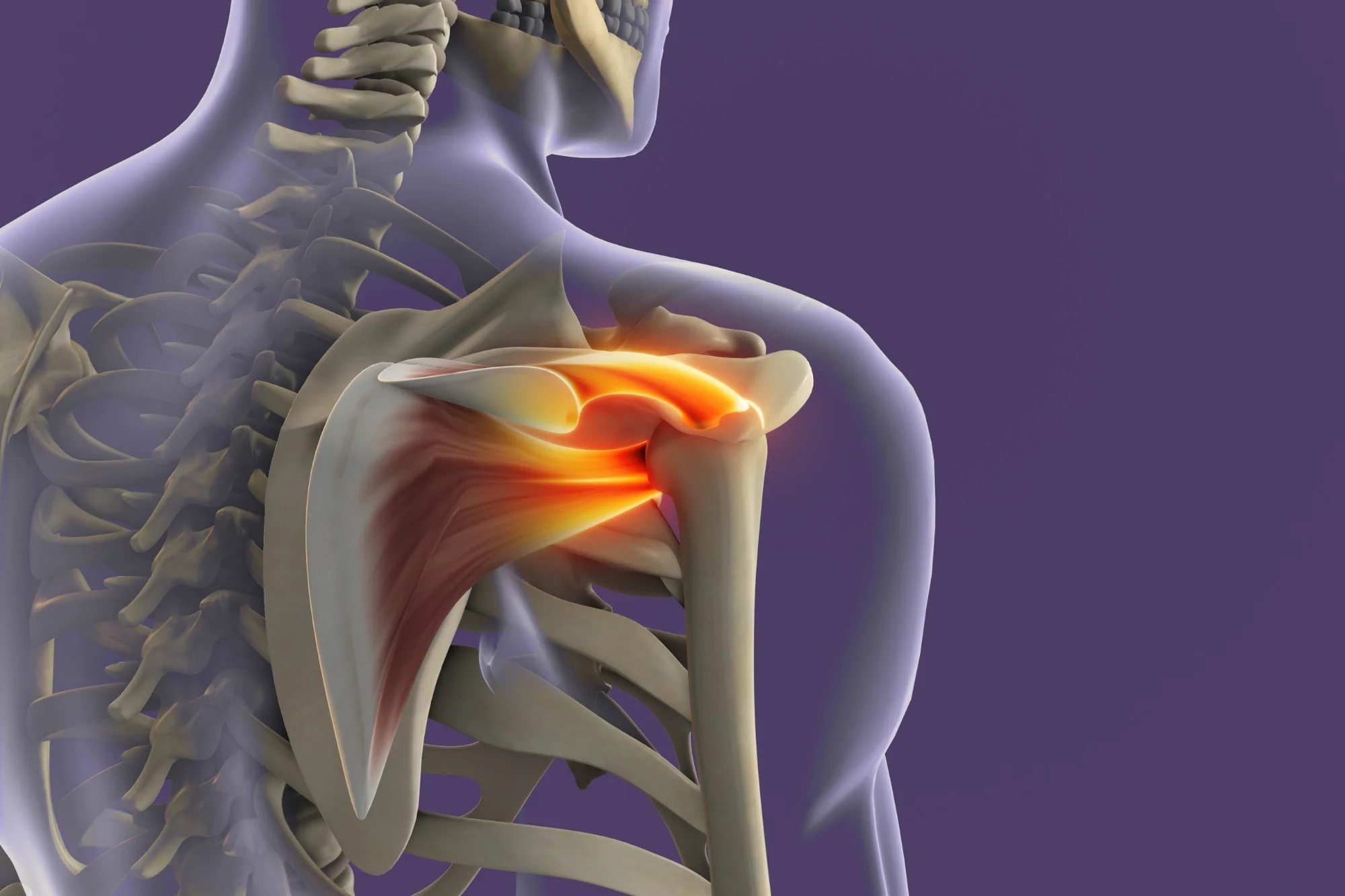
Your shoulder depends on a network of tendons to move, lift, and function throughout the day. When something goes wrong with those tendons, even simple tasks can become frustrating and painful. Tendon problems in the shoulder are among the most common reasons patients visit a shoulder specialist, and they can affect individuals of all ages and activity levels. In this post, we’ll explore the types of tendon problems in the shoulder, how they develop, what symptoms to watch for, and the treatment options available to you.
Key Takeaways
- Tendon problems in the shoulder can range from mild inflammation to partial or complete tears, and they tend to become more common with age.
- Symptoms may include pain with overhead movements, nighttime discomfort, weakness, and stiffness that may limit daily activities.
- Many tendon conditions respond well to conservative care such as physical therapy, activity modification, and anti-inflammatory strategies.
- Surgical options may be appropriate when symptoms persist despite consistent nonoperative treatment.
What Are Shoulder Tendons and Why Do They Matter?
Tendons are tough, flexible cords of tissue that connect muscles to bones. In your shoulder, several tendons work together to allow a remarkable range of motion. The rotator cuff alone consists of four tendons that help stabilize the joint and guide your arm through nearly every movement you make.
The biceps tendon also plays a meaningful role. It runs from the biceps muscle, passes through the front of the shoulder, and attaches inside the joint. Together, these tendons create the foundation for shoulder strength and stability.
Because the shoulder relies so heavily on soft tissue rather than deep bony structure, it gains flexibility but also becomes more vulnerable to injury. Tendons can wear down, become inflamed, or tear, especially when they face repetitive stress or the natural effects of aging.
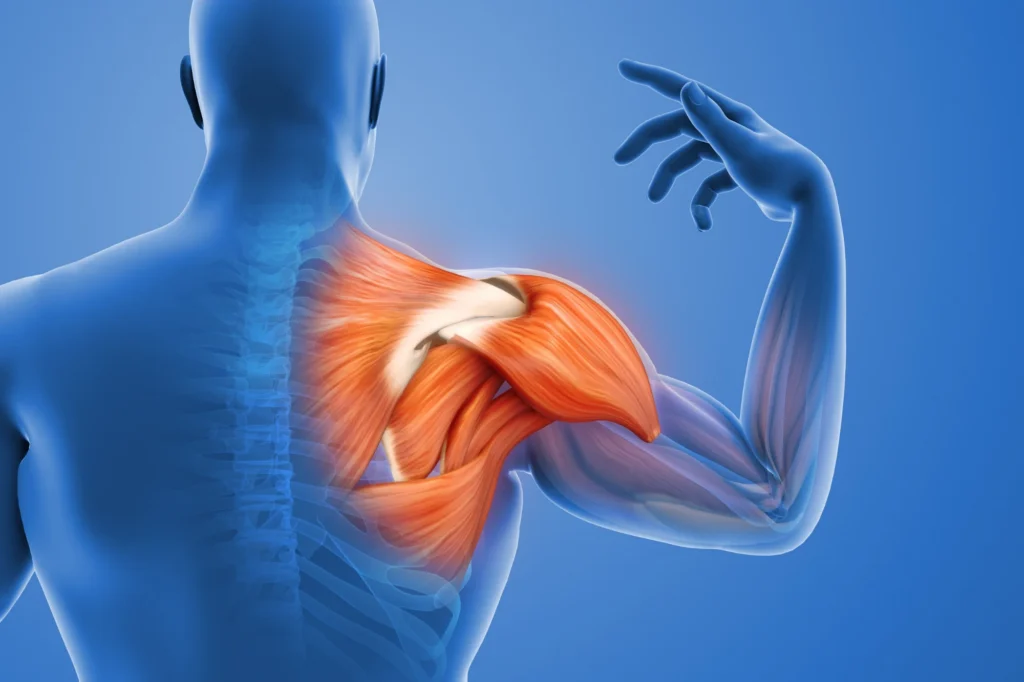
Common Types of Tendon Problems in the Shoulder
Rotator Cuff Tendinitis
Rotator cuff tendinitis develops when the tendons of the rotator cuff become irritated or inflamed. This may happen with repetitive overhead activities such as painting, throwing, or swimming. It can also result from posture habits or workplace tasks that place sustained stress on the shoulder.
Patients with tendinitis frequently describe a dull ache deep in the shoulder. The pain may worsen at night or when reaching above the head. In many cases, rest, physical therapy, and anti-inflammatory medications can help manage the condition effectively.
Rotator Cuff Tears
A rotator cuff tear occurs when one or more of the tendons separate from the bone. Tears can be partial, meaning only a portion of the tendon is damaged, or full-thickness, where the tendon pulls away completely. Some tears happen suddenly after a fall or heavy lifting injury. Others develop gradually as the tendon wears down with age and repetitive use.
Common symptoms include weakness when lifting the arm, pain that radiates down the side of the shoulder, and difficulty sleeping on the affected side. You may also notice clicking, catching, or a crackling sensation during certain movements. Treatment depends on the severity and the patient’s goals. Physical therapy and other non-surgical treatments may serve as a first-line approach, while surgical repair may be considered if conservative measures fall short.
Biceps Tendon Problems
The long head of the biceps tendon is a common source of shoulder pain. It can become inflamed (biceps tendinitis), partially torn, or even rupture completely. These problems may accompany other shoulder issues like rotator cuff tears or labral damage.
Biceps tendon problems tend to cause pain in the front of the shoulder. You might feel a sharp ache when lifting, pulling, or reaching overhead. A sudden pop followed by bruising in the upper arm could suggest a rupture. Conservative treatment, including rest, therapy, and medication, may improve symptoms. In persistent cases, surgical options such as biceps tenodesis or tenotomy might be discussed.
Calcific Tendinitis
Calcific tendinitis involves calcium deposits that form within the rotator cuff tendons. The exact cause remains unclear, though it may be related to changes in blood flow and cellular turnover within the tendon tissue.
Symptoms can vary quite a bit. Some patients experience only mild discomfort, while others develop intense pain that seems to come on suddenly. In some cases, the calcium deposits may gradually reabsorb on their own over time. Treatments such as physical therapy, injections, or surgery may be considered depending on severity.
Shoulder Impingement and Tendon Compression
Shoulder impingement refers to irritation or compression of the rotator cuff tendons as they pass beneath the acromion during certain shoulder movements. Over time, this compression can irritate the tendons and contribute to tendinitis or even tearing. It often goes hand in hand with tendon problems in the shoulder and may worsen symptoms that already exist.
Pain with overhead reaching is the hallmark complaint. You may also notice weakness, a catching sensation, or discomfort when lying on the affected side. Treatment typically starts with activity modification and targeted exercises designed to improve shoulder blade mechanics and create more space for the tendons.
What Causes Tendon Problems in the Shoulder?
Tendon problems in the shoulder usually develop from a combination of factors rather than one single cause. Understanding these risk factors may help you take steps to protect your shoulder health.
- Age: Tendons naturally lose elasticity and blood supply over time. Degenerative changes become increasingly common as we age.
- Repetitive overhead activity: Sports like tennis, swimming, and baseball, along with occupations that require frequent reaching, may place chronic stress on shoulder tendons.
- Acute injury: A fall onto an outstretched arm or a sudden lifting movement can damage tendons quickly.
- Poor posture: Rounded shoulders and forward head posture may narrow the space available for tendons.
- Medical factors: Conditions like diabetes and other factors including smoking have been associated with increased risk of tendon degeneration and slower healing.
How Are Tendon Problems Diagnosed?
Diagnosing tendon problems in the shoulder typically begins with a thorough history and physical examination. Your doctor will likely ask about when the pain started, what makes it worse, and how it affects your daily routine. A hands-on exam may reveal areas of tenderness, weakness patterns, and range-of-motion limitations.
Imaging studies often play a supporting role. X-rays can rule out fractures and identify bone spurs or calcium deposits. An MRI provides a more detailed look at the soft tissues, helping determine whether a tendon is inflamed, partially torn, or fully torn. Ultrasound is another useful tool because it allows for evaluation of the tendon in real time as the shoulder moves.
Prevention and Shoulder Health
While not every tendon problem can be prevented, adopting a few strategies may help reduce your risk:
- Warm up before physical activity and stretch the shoulders gently afterward.
- Strengthen the rotator cuff and shoulder blade stabilizers with targeted exercises. Even a brief routine a few times per week may offer protective benefits.
- Pay attention to posture, particularly if you spend long hours at a desk or behind a screen.
- Avoid pushing through sharp shoulder pain during exercise or work. Pain is often a signal that something needs attention.
- If you participate in overhead sports, consider working with a coach or trainer to refine your technique and reduce unnecessary strain.
Taking a proactive approach to shoulder health may help lower your risk and help you catch problems early when they tend to respond best to treatment.
When to See a Specialist
Some shoulder discomfort goes away with a few days of rest. Other times, it lingers and interferes with quality of life. Consider scheduling an appointment with an experienced shoulder specialist if your pain has lasted several weeks, if weakness makes daily tasks difficult, if you cannot lift your arm after an injury, or if nighttime pain regularly disrupts your sleep.
Summary
Tendon problems in the shoulder are common. From mild tendinitis to more complex tears, a wide range of treatment options exists to help restore your comfort and function. Early recognition of symptoms, an accurate diagnosis, and a thoughtful treatment plan tailored to your needs can make a meaningful difference in your recovery. If you are experiencing shoulder pain or suspect a tendon problem, consider scheduling an appointment to explore your options.
Frequently Asked Questions
How do I know if my shoulder pain is a tendon problem?
Tendon-related shoulder pain frequently presents as a dull ache deep in the joint, weakness with lifting or reaching, and discomfort at night. However, other conditions can produce similar symptoms. A physical examination and imaging studies can help your doctor determine the source of your pain.
Can a torn tendon heal on its own without surgery?
It depends on the type and severity of the tear. Partial tears and some full-thickness tears may respond well to non-surgical treatments. Your doctor can help you weigh the potential benefits and risks of each approach.
Are tendon problems in the shoulder only an issue for older adults?
Not at all. While degenerative tendon changes become more common with age, younger patients may develop tendon problems from sports injuries, overuse, or trauma. Athletes who perform repetitive overhead motions, for example, may experience tendinitis or tears at a younger age.
When should I consider seeing a surgeon rather than managing pain at home?
If shoulder pain persists for more than a few weeks, worsens over time, or significantly limits everyday tasks, it may be time to consult a specialist. A sudden inability to raise your arm after an injury also may warrant prompt evaluation.