
If you love staying active, a shoulder replacement can bring up a lot of questions. Will you get back to the gym? Can you press overhead or load up a barbell again? These are completely valid concerns, and you are far from alone in asking them. Many patients are able to return to lifting weights after shoulder replacement. However, the timeline, the type of lifting, and the loads involved may look a little different than before for some patients.
Key Takeaways
- Most patients can return to some form of weight training after shoulder replacement, though it may look different from their pre-surgery routine.
- The type of implant you receive (total vs. reverse shoulder replacement) may influence which movements and loads are appropriate long-term.
- Heavy overhead lifting, maximum bench pressing, and high-impact movements may be limited or restricted after shoulder replacement.
- Always follow your surgeon’s specific guidance. Each patient’s recovery and long-term plan is individual.
Understanding Your New Shoulder
When you undergo shoulder replacement, your surgeon removes the damaged surfaces of your joint and replaces them with an implant designed to improve joint function and reduce pain. For a total shoulder replacement, both the ball (humeral head) and socket (glenoid) surfaces are replaced. The goal is to replicate your natural shoulder anatomy as closely as possible.
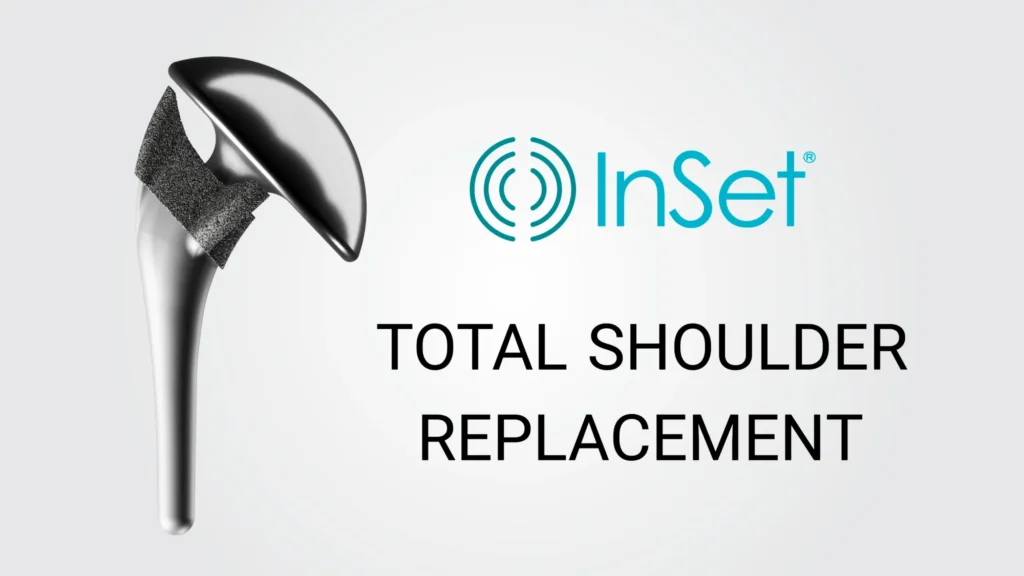
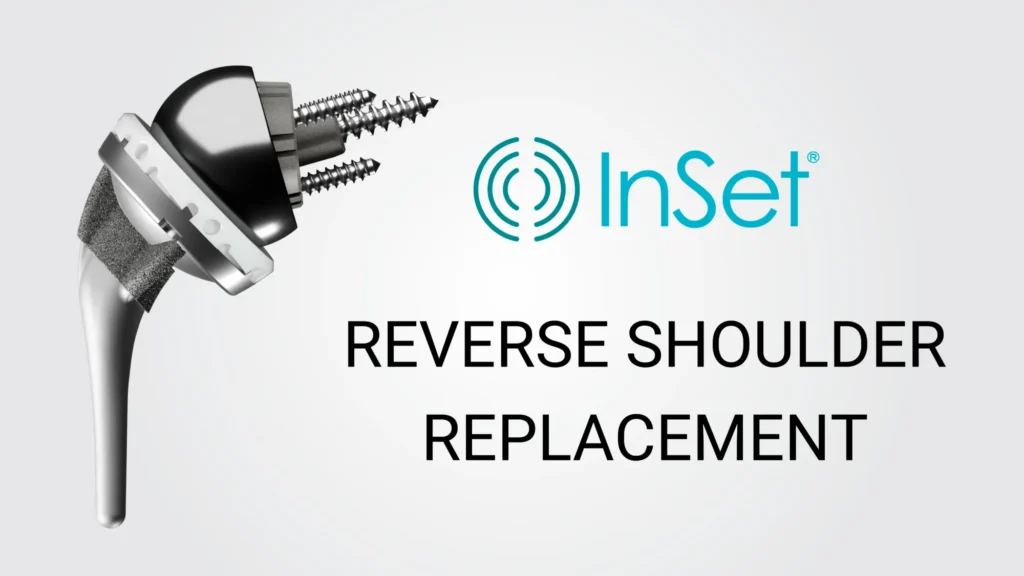
For some patients, particularly those with large rotator cuff tears, cuff tear arthropathy, or certain complex fractures, a reverse shoulder replacement may be recommended instead. In a reverse replacement, the ball and socket positions are switched. The ball sits on the glenoid side and the socket on the humeral side. This allows the deltoid muscle to take over much of the work that the rotator cuff would normally do. Understanding what type of replacement you have, and why, can help you make sense of the activity guidelines that follow.
Why Staying Active Still Matters
Staying physically active plays an important role in your long-term recovery and the health of your new joint. Regular movement helps maintain muscle mass and supports joint stability, both of which are important for overall shoulder function after surgery.
Weight training, when approached correctly, can be a meaningful part of your maintenance routine after surgery. The key is understanding which movements are likely to support your shoulder, and which ones could put it at unnecessary risk. Not all lifting is created equal after shoulder replacement, and the right approach will vary from one person to the next.
The Recovery Timeline: A Phased Approach
One of the most important things to understand about lifting weights after shoulder replacement is that recovery happens in clearly defined stages. There is no one-size-fits-all schedule, but here is a general overview of what that progression might look like.
Early Recovery (Weeks 1–6)
In the first few weeks after surgery, your shoulder needs time to heal. You will likely wear a sling, and movement is restricted. The soft tissues surrounding your new implant are settling and repairing.
Physical Therapy Phase (Weeks 6–12 and Beyond)
You may begin working with a physical therapist on active movements. Physical therapy can help you gradually restore range of motion, rebuild muscle strength, and retrain your shoulder to move properly with its new hardware. Progress can feel slow, but this phase builds the foundation for everything that comes after.
Return to Functional Strength (Months 3–6)
In some cases, patients may begin light resistance training around the three-month mark, often using resistance bands or very light dumbbells, if cleared by their surgeon or physical therapist. The emphasis at this stage is controlled, pain-free movement rather than load.
Strengthening and Returning to Gym-Based Weight Training (6 Months and Beyond)
During this stage, you will continue strengthening. Recovery is individual. Always get your surgeon’s clearance before returning to gym-based exercise, and avoid rushing this step.
What Types of Lifting May Be Better Tolerated?
Many patients find they can return to a meaningful strength training routine after shoulder replacement. Generally speaking, lighter loads with controlled, deliberate movements tend to be better tolerated than heavy or explosive exercises. Here are some categories that may be appropriate once you have your surgeon’s approval:
- Light to moderate dumbbell work: Exercises like bicep curls, lateral raises, and front raises may often be well-tolerated using lighter weights. Controlled movement and staying pain-free are the priorities.
- Cable machine exercises: Cable systems provide smooth, guided resistance and are useful for rebuilding shoulder strength without excessive joint stress.
- Resistance band training: Bands allow for progressive loading at lower risk levels. They are a staple of shoulder physical therapy and translate well into a gym routine.
- Lower body training: Squats, leg presses, and other lower body exercises can often resume earlier than upper body work. Staying strong through your legs and hips supports overall function.
- Core strengthening: Exercises like dead bugs, bird dogs, and planks that do not directly load the shoulder can often be incorporated relatively early and help maintain your overall fitness base.
The right program will depend on your specific surgery and recovery progress. What works well for one patient may not be appropriate for another.
Movements That May Need to Be Avoided or Modified
Not every exercise you may have done before surgery will be appropriate afterward. Some movements place demands on the joint that may not be compatible with a replaced shoulder, particularly over the long term. The following exercises may be restricted or modified after shoulder replacement:
- Heavy overhead pressing (military press, overhead barbell press): This movement loads the shoulder in a particularly vulnerable position, especially after reverse shoulder replacement.
- Heavy bench pressing: While some patients can return to lighter chest pressing, heavier bench press loads may be discouraged due to the stress placed on the front of the shoulder and the glenoid implant.
- Pull-ups and dips: These bodyweight exercises generate large compressive and shear forces through the shoulder joint and may not be recommended after replacement.
- Olympic lifting and powerlifting: High-load, high-velocity movements may be discouraged.
- Contact sports or high-impact activities: Falls and collisions carry risks for implant damage.
This list is not exhaustive. Your specific restrictions may differ based on your surgery type, your healing progress, and other individual factors. Consult your doctor before attempting any exercise you are unsure about.
Does It Matter Whether You Had a Total or Reverse Replacement?
Yes, the type of replacement you received can meaningfully influence your long-term activity guidelines, including weight training.
With a total shoulder replacement, the natural anatomy of the joint is preserved as closely as possible. This may support a somewhat broader range of activities over time, though heavy lifting remains limited for most patients.
With a reverse shoulder replacement, the mechanics of the joint are fundamentally different. Because the deltoid muscle now carries much of the load that the rotator cuff previously handled, certain positions, like reaching behind your back or performing overhead pressing movements, may be more restricted.
Practical Tips for Getting Back to the Gym
If cleared to return to weight training, here are some general principles to keep in mind as you make that transition:
Start lighter than you think you need to. Your new shoulder may feel stable, but the surrounding muscles are still rebuilding. Starting conservatively can help you assess how your shoulder responds while minimizing unnecessary strain.
Prioritize form over load. Clean technique under a lighter weight may be better for your joint than sloppy movement under heavy resistance. Consider working with a trainer who has experience with post-surgical patients.
Listen to pain signals. Some muscle fatigue is normal. Sharp pain, grinding, or unusual sensations in the shoulder are not. If something doesn’t feel right, stop the exercise and consider contacting your surgeon or care team before continuing.
Progress gradually. Your implant and surrounding soft tissues need time to adapt to increasing demands.
Summary
Lifting weights after shoulder replacement is a realistic goal for many patients, but it requires a thoughtful, phased approach. Recovery takes time, and the type of lifting you do after surgery may look somewhat different from your pre-surgery routine. Many patients can return to some form of resistance training, particularly lighter, controlled movements.
Frequently Asked Questions
Can I bench press after shoulder replacement?
Light chest pressing exercises may be possible for some patients further along in recovery. However, heavy bench pressing may not be recommended after shoulder replacement. The load placed on the front of the shoulder and the glenoid implant during heavy pressing may put your joint at risk over time. Talk to an experienced shoulder surgeon about what is and is not appropriate for your situation.
Is lifting weights after reverse shoulder replacement different from total shoulder replacement?
Yes, there are some meaningful differences. Reverse shoulder replacement changes the mechanics of how the joint functions, and certain exercises may be more restricted compared to total shoulder replacement. That said, many patients with a reverse replacement return to light-to-moderate weight training under their surgeon’s guidance and lead very active lives.
What should I do if my shoulder hurts while lifting?
Some general muscle fatigue is a normal part of strength training. However, sharp, shooting, or unusual pain in the shoulder is a signal worth taking seriously. Contact your doctor’s office if you experience persistent pain during or after weight training. It is always better to check in early.