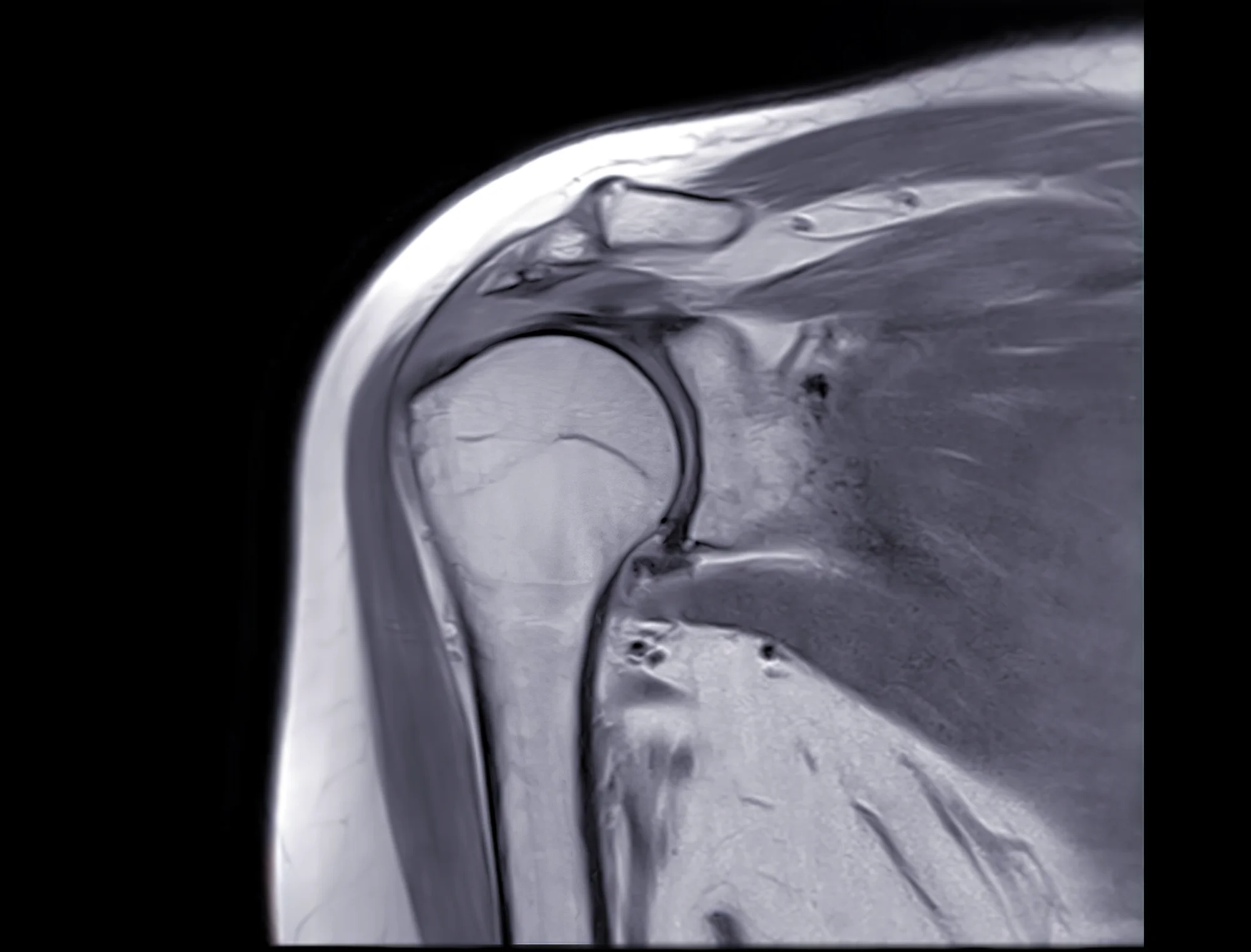
If golf is a part of your life, you may wonder, “Can I play golf after shoulder replacement surgery?” Golf is more than a sport for many people. It is a social ritual, a form of low-impact exercise, and a meaningful way to stay active and connected. The short answer is that many patients do return to golf following shoulder replacement, though the timeline and what that looks like can vary quite a bit from person to person. Understanding what goes into that return, and how to set yourself up for the best possible outcome, is what this post is all about.
Key Takeaways
- Many patients are able to return to golf after shoulder replacement surgery, depending on the type of procedure and individual recovery progress.
- Listening to pain signals is essential when returning to golf following shoulder replacement.
- Always speak with your doctor before returning to any sport after shoulder replacement. Your recovery is personal, and your plan should reflect that.
Why Golf Keeps Coming Up in Shoulder Conversations
Golf can be a weekly routine, a social opportunity, and a meaningful way to stay active outdoors. When shoulder pain gets bad enough to interfere with the swing, it usually means it has already been disrupting sleep, making simple everyday tasks uncomfortable, and limiting daily life in real ways. Individuals who consider shoulder replacement with golf as a recovery goal are not being unrealistic; many patients who undergo the surgery are able to return to golf. However, cases can vary.
Understanding Your Procedure: Total vs. Reverse Shoulder Replacement
Not all shoulder replacements are the same, and the type of procedure you have may influence your path back to the golf course. Total shoulder replacement, also called anatomic shoulder replacement, replaces the damaged joint surfaces of the ball and socket with prosthetic components designed to replicate the shoulder’s natural anatomy. It is typically recommended for patients with shoulder arthritis who still have a reasonably functional rotator cuff. The goal is to restore the shoulder’s normal mechanical structure so that movement feels natural and comfortable again.

Reverse shoulder replacement works differently. It flips the joint’s orientation, placing a ball component on the socket side and a socket on the ball side. This design functions even when the rotator cuff is severely damaged or no longer working well. It is often used for large rotator cuff tears combined with arthritis, a condition called cuff tear arthropathy, as well as for some complex fractures.

Both procedures may allow patients to return to golf, but the recovery path can look quite different. Those who have a total shoulder replacement may retain more of the natural shoulder mechanics the golf swing requires. Patients who have reverse shoulder replacement may need to adapt their swing. Either way, an experienced shoulder surgeon can work closely with you to set expectations that reflect your specific procedure and goals.
What the Golf Swing Actually Demands of Your Shoulder
A golf swing places repetitive forces on the shoulder. At the address, the lead shoulder bears significant tension through the backswing. During the downswing, both shoulders work together to generate power through the ball. At follow-through, the trail shoulder extends and rotates, sometimes well above shoulder height.
Over the course of 18 holes, those forces accumulate. Play multiple rounds per week and the cumulative load on the joint becomes quite significant. This is precisely why surgeons take a measured approach to clearing patients for golf. The joint needs time to heal. The surrounding muscles need time to rebuild strength and coordination. And the implant needs adequate time to settle and integrate into the surrounding bone.
That said, golf is generally considered a relatively low-impact sport compared to others. Many orthopedic surgeons view it as a reasonable, realistic long-term goal for shoulder replacement patients whose recovery proceeds well.
When Can You Return to Golf After Shoulder Replacement Surgery?
This is probably the question patients ask most often, and the honest answer is that it depends. Recovery is highly individual. Many patients progressing well may be ready to ease back into golf somewhere between six and twelve months after surgery. For some patients, that may be closer to the shorter end of that range. For others, particularly those who had more complex procedures or who heal more slowly, it may take longer.
Here is a general sense of what the recovery timeline tends to look like:
- Weeks one through six focus on protecting the shoulder and managing swelling. You will likely be in a sling for at least part of this, and movement is intentionally limited during this early phase.
- From roughly six weeks to three months, structured physical therapy often becomes a primary focus. Range of motion exercises and gentle strengthening begin in a gradual, controlled way.
- Between three and six months, many patients regain meaningful function and begin returning to light daily activities.
- After six months, patients who have recovered well may begin discussing a gradual return to golf, typically starting with chipping and putting.
These are general guidelines, not guarantees. Your age, overall health, the state of your shoulder before surgery, your adherence to rehabilitation, and the type of procedure you had all influence how quickly you progress.
Practical Tips for Returning to Golf
When your surgeon clears you to return to the course, approaching your comeback thoughtfully can make a significant difference, both in how your shoulder feels and how quickly you regain confidence in your game. The goal is to protect the work you put into surgery and recovery.
Here are some general tips for returning to golf:
- Start with chipping and putting before progressing to full swings. These shorter, more controlled movements place less rotational stress on the shoulder and let you ease back in gradually.
- Consider switching to graphite shafts. Graphite shafts may absorb more vibration than steel shafts, which some golfers find more comfortable when returning to play.
- Work with a golf instructor who understands your post-surgical situation. A modified swing technique may reduce strain on the shoulder while still letting you enjoy the game you love.
- Avoid playing on back-to-back days in the beginning. Give your shoulder adequate recovery time between rounds, especially in the early weeks.
- Always warm up before you play. Cold, stiff muscles are more susceptible to strain, and a few minutes of gentle movement before teeing off can make a noticeable difference.
- Pay attention to pain signals. Mild muscle soreness can be normal after activity, but sharp, persistent, or worsening pain means you should stop and contact your doctor’s office.
Summary
Following shoulder replacement surgery, many patients are able to return to golf. That said, every recovery is different. The timeline depends on your procedure, your overall health, how diligently you engage with rehabilitation, and how your body heals. Many patients benefit from setting realistic expectations, following their surgeon’s guidance closely, and actively participating in physical therapy. If getting back to the golf course is a priority for you, share that goal with your surgeon ahead of the procedure.
Frequently Asked Questions
How long after shoulder replacement surgery can I play golf?
Patients who are recovering well may be cleared by their surgeon to gradually return to golf somewhere between six and twelve months after surgery. The exact timeline varies based on the type of procedure, the individual’s overall health, and how consistently they completed their rehabilitation program.
Is golf considered safe after shoulder replacement?
For many patients, golf is regarded as a reasonable and achievable goal after shoulder replacement. It is generally considered a lower-impact activity than many alternatives, though the golf swing does place real, repetitive forces on the shoulder joint. Always receive explicit clearance from your surgeon before returning to the course, and ease back in gradually rather than jumping straight into a full round.
Can I modify my golf swing to protect my shoulder?
Yes, and many patients find this helpful. Working with a golf instructor or teaching professional who understands your post-surgical situation can make a meaningful difference. Adjustments to grip, stance, backswing length, and follow-through may reduce shoulder strain while still allowing you to enjoy the game. Switching to graphite-shaft clubs may also help, as graphite absorbs more impact vibration than steel.