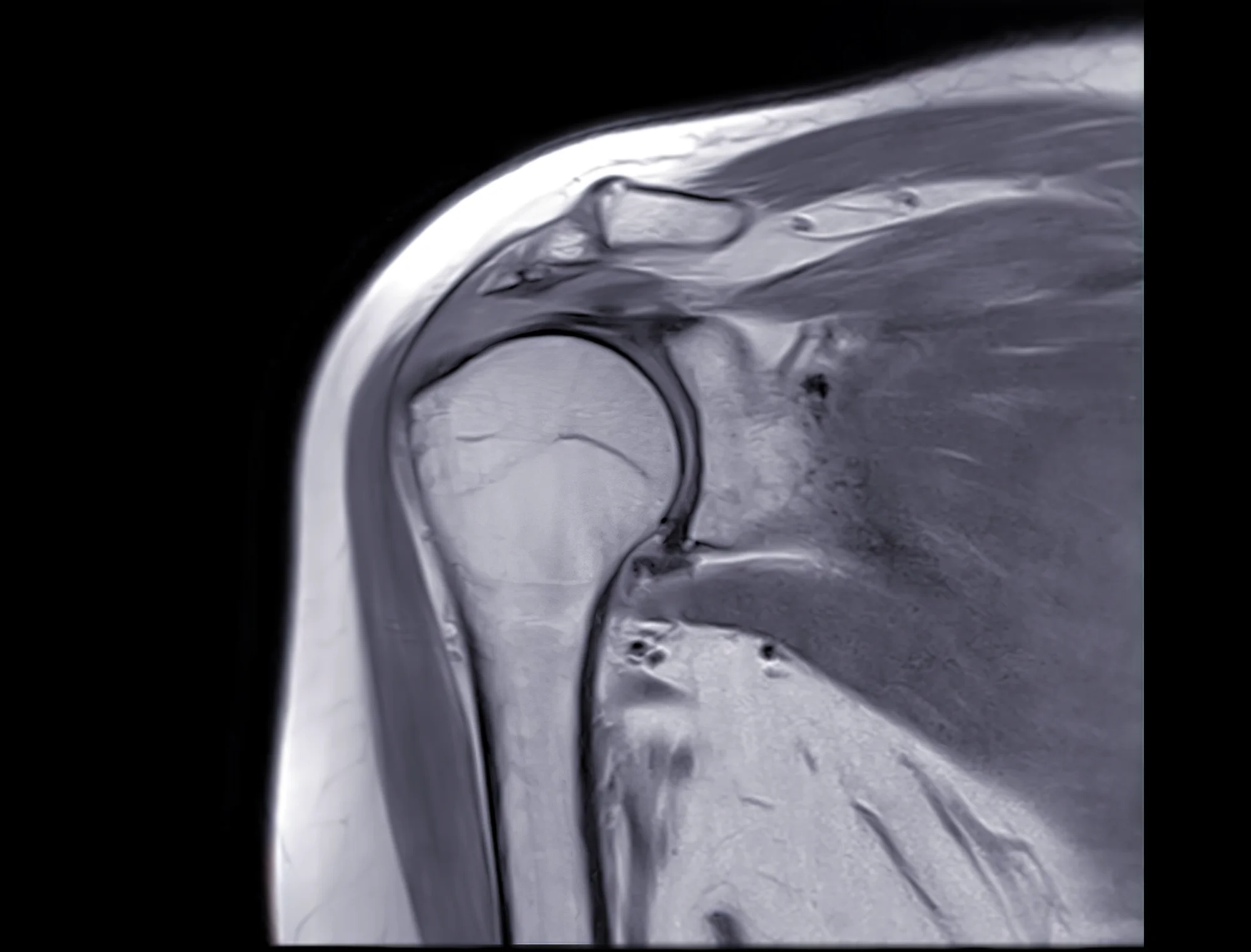
The shoulder joint’s complexity also makes the joint susceptible to wear, tear, and injury over time. When conservative treatments like physical therapy or medication no longer provide sufficient relief, many patients begin to wonder about surgical options. A frequent question that arises during these consultations is, “How common is shoulder replacement?” While hip and knee replacements often dominate the conversation regarding joint health, shoulder arthroplasty has seen a remarkable surge in prevalence and success over the last several decades.
Key Takeaways
- Shoulder replacement surgery has become a standard and increasingly frequent solution for chronic joint pain and dysfunction.
- The procedure is generally categorized into two main types: anatomic total shoulder replacement and reverse shoulder replacement.
- The goal of both shoulder replacement procedures is to restore function and relieve pain.
The Rising Frequency of Shoulder Arthroplasty
The number of people undergoing shoulder replacement surgery has steadily increased over the past several years. In the United States, tens of thousands of shoulder replacement surgeries are performed each year, with volumes steadily increasing over the past two decades. This rise reflects meaningful advances in implant design, surgical techniques, and patient selection, all of which have expanded who may benefit from the procedure. As materials have improved and outcomes have become more predictable, shoulder arthroplasty is being considered for a broader range of patients than ever before.
Distinguishing Between Anatomic and Reverse Procedures
The first type of shoulder replacement is the anatomic total shoulder replacement, which aims to replicate the natural ball-and-socket structure of the joint. In this version, a surgeon replaces the damaged humeral head with a metal ball and the socket with a smooth plastic surface. This approach typically works best for patients who have a healthy, intact rotator cuff.

Reverse shoulder replacement has become the most commonly performed type of shoulder replacement in the United States. This innovative approach actually switches the positions of the ball and the socket. By placing the ball on the shoulder blade and the socket on the arm bone, the surgeon allows the larger deltoid muscle to take over the work of moving the arm. This design proves particularly beneficial for patients with large rotator cuff tears or complex fractures where the original anatomy can no longer support a standard replacement.

Why the Procedure is Becoming More Common
Several factors may contribute to the increasing regularity of these surgeries. One primary driver is the refinement of diagnostic tools, which may help allow specialists to identify joint degradation earlier and more accurately than in previous generations. Furthermore, the shift toward outpatient or short-stay surgeries has made the process less daunting. Many centers now offer outpatient or short-stay shoulder replacement for appropriately selected patients, supported by modern pain-control and rehab protocols. This shift in the care model has made the surgery a more attractive option for those who were previously concerned about lengthy hospital stays.
Innovations Enhancing Patient Outcomes
The field of shoulder arthroplasty does not stand still, and recent innovations have played a massive role in its growing popularity. For instance, the development of the InSet® Shoulder System has introduced design changes aimed at improving implant stability. Traditional implants are often placed on top of the bone, which can sometimes lead to loosening over time. Newer designs allow the implant to be set within the most supportive part of the bone, which may help reduce the stress placed on the device and potentially extend its lifespan.
Another advancement is the use of virtual planning software. Before the patient even enters the operating room, surgeons may now use detailed imaging to create a digital replica of the shoulder. This allows for a “virtual surgery” where the specialist can determine the exact size and placement of the implants. By tailoring the procedure to the patient’s unique anatomy, surgeons can achieve a level of precision that was previously unattainable.
The Importance of Bone Preservation
One key consideration in modern shoulder surgery is the preservation of the patient’s natural bone. Surgeons frequently now prioritize using implants that require minimal bone removal, which is a strategy for long-term joint health. Modern humeral stems, for example, are often designed to be shorter and more bone-friendly than the long, invasive stems used in the past.
Identifying the Right Candidates for Surgery
Determining who should undergo a shoulder replacement involves a comprehensive evaluation of the patient’s pain levels, functional limitations, and overall health. Generally, specialists recommend the procedure when non-surgical interventions have failed to provide adequate relief. These conservative measures may include:
- Dedicated physical therapy programs designed to strengthen the surrounding muscles.
- The use of anti-inflammatory medications to manage daily discomfort.
- Corticosteroid injections to reduce swelling within the joint capsule.
- Modifications to daily activities to avoid aggravating the shoulder.
When these options no longer allow a person to perform basic tasks, surgery often becomes a recommended step. Whether the cause is wear-and-tear arthritis, a severe injury, or a chronic rotator cuff issue, the goal of the replacement is always to provide a stable, pain-free joint.
What to Expect During the Recovery Process
Recovery from a shoulder replacement is a journey that requires patience and commitment to rehabilitation. While the surgery itself is a major milestone, the work done in the weeks and months following the procedure is what truly determines the final outcome. Many patients begin gentle movements very soon after surgery to prevent stiffness. A structured physical therapy program usually follows, focusing first on restoring range of motion and later on rebuilding strength.
The timeline for recovery can vary based on the type of replacement performed and the patient’s individual healing rate. Following their surgeon’s guidance and staying diligent with their exercises, many patients report long-term improvements in function and pain relief following recovery.
Summary
Shoulder replacement surgery has become an increasingly common and trusted solution for people living with persistent shoulder pain and loss of function. Advances in implant design, surgical techniques, and preoperative planning have expanded the range of patients who may benefit from the procedure, while improving reliability and long-term outcomes. With options such as anatomic and reverse shoulder replacement, surgeons are now able to tailor treatment to each patient’s unique anatomy and underlying condition.
Equally important, modern approaches emphasize precision, bone preservation, and individualized recovery pathways. Innovations like virtual surgical planning, bone-sparing implants, and streamlined outpatient care have made shoulder arthroplasty more accessible and less intimidating for many patients. When conservative treatments are no longer effective, shoulder replacement stands as a well-established, patient-centered option that can restore comfort, mobility, and quality of life.
Frequently Asked Questions
How common is shoulder replacement compared to hip or knee replacements?
While hip and knee replacements are performed more frequently in total numbers, shoulder replacement is frequently cited as the third most common joint replacement and is currently experiencing a quickly growing rate in orthopedics.
What is the main difference between a total shoulder and a reverse shoulder replacement?
A total shoulder replacement mimics the natural anatomy and is ideal for those with a healthy rotator cuff. A reverse shoulder replacement switches the ball and socket, allowing the deltoid muscle to move the arm, which can be a better option for those with significant rotator cuff damage.
How do I know if I am a candidate for shoulder replacement?
You might be a candidate if you have chronic shoulder pain that interferes with daily life and has not responded to conservative treatments like physical therapy, medication, or injections. A consultation with an experienced shoulder specialist is the best way to determine your eligibility.