A torn rotator cuff is one of the most common shoulder injuries I see in my practice. So, how do you know if you have a torn rotator cuff? Understanding what it actually feels like, and knowing when to seek care, can make a meaningful difference in your recovery. In this post, we’ll walk through the signs and symptoms that may suggest a rotator cuff tear, explain how we go about diagnosing it, and give you a clearer picture of your options if you’re concerned about your shoulder.
Key Takeaways
- The rotator cuff is a group of four muscles and tendons that help stabilize and move your shoulder joint.
- A torn rotator cuff can happen suddenly after an injury, or it can develop gradually over time from wear and tear.
- Common symptoms may include shoulder pain, weakness, and difficulty lifting your arm.
- Early evaluation by a shoulder specialist can help determine the most appropriate course of treatment for your specific situation.
What Is the Rotator Cuff?
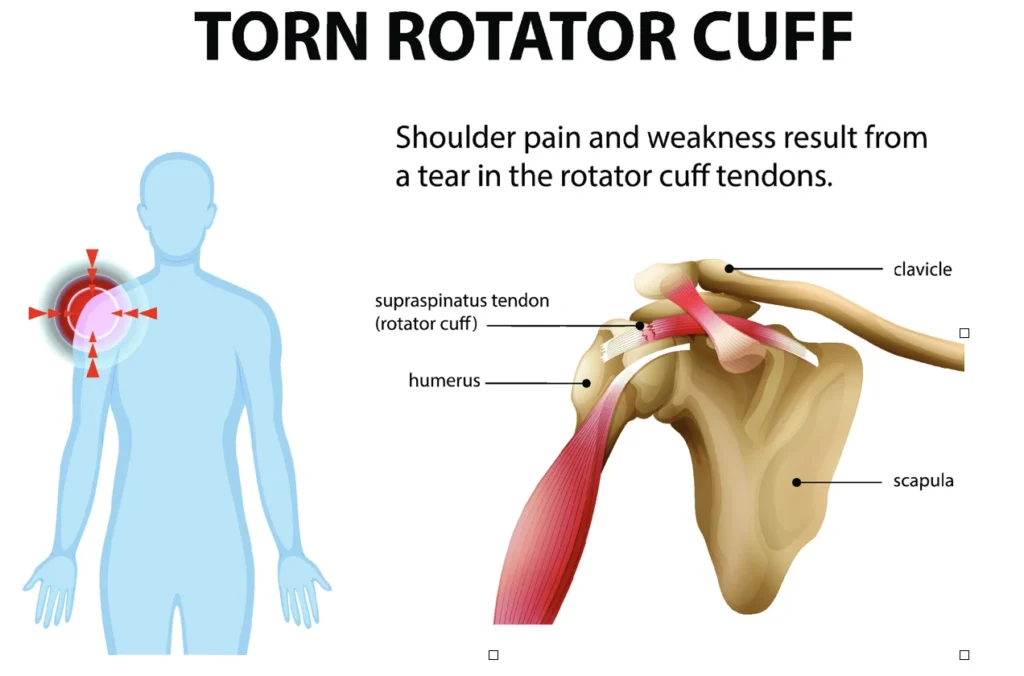
Before diving into symptoms, it helps to understand what the rotator cuff actually is. The rotator cuff is made up of four muscles and their corresponding tendons: the supraspinatus, infraspinatus, teres minor, and subscapularis. Together, these structures wrap around the top of your upper arm bone (the humerus) and connect it to your shoulder blade (scapula). Think of the rotator cuff as the dynamic stabilizer of your shoulder. It keeps the ball of the joint centered in the socket while allowing you to lift, rotate, and move your arm in nearly every direction.
When one or more of these tendons tears, either partially or completely, the shoulder can lose strength, stability, and range of motion. That’s typically when people start noticing something is off.
How Does a Rotator Cuff Tear Happen?
There are generally two main ways a rotator cuff tear tends to occur. Understanding which type you might have can help explain why your symptoms look the way they do.
Acute tears happen suddenly, such as after a specific event. Falling on an outstretched arm, lifting something unexpectedly heavy, or taking a direct blow to the shoulder can all potentially cause this type of tear. People who experience an acute injury often describe sharp, immediate pain followed by noticeable weakness.
Degenerative tears are far more gradual. Over time, the tendons can weaken due to normal aging, repetitive overhead activity, or a reduced blood supply to the tissue. These tears tend to develop slowly, and some people may not notice symptoms at first. It’s actually quite common for degenerative tears to be found on imaging in individuals who haven’t reported significant pain.
Certain factors may increase your risk of developing a torn rotator cuff. These can include:
- Older age
- Participation in overhead sports such as baseball, tennis, or swimming
- Jobs or activities that involve repetitive overhead motions
- A previous shoulder injury
- Family history of rotator cuff problems
Signs and Symptoms of a Torn Rotator Cuff
The symptoms of a torn rotator cuff can vary quite a bit depending on the size of the tear, how it happened, and the individual patient. That said, there are several common patterns I tend to see in my clinic.
Pain in the Shoulder and Upper Arm
Pain is often one of the first and most noticeable signs of a torn rotator cuff. It typically presents as a dull ache deep within the shoulder, though it can sometimes radiate down the outer arm toward the elbow.
What makes rotator cuff pain fairly distinctive is when and how it shows up. Many of my patients describe pain that becomes especially bothersome at night, particularly when lying on the affected shoulder. Getting comfortable in bed can become surprisingly difficult. Activity tends to aggravate the pain as well, especially movements that involve lifting the arm above shoulder height or reaching behind the back.
Weakness When Lifting or Rotating the Arm
Weakness is another possible symptom of a torn rotator cuff. You might notice it’s harder than usual to lift objects that once felt completely manageable. Simple, everyday tasks, such as reaching for something on a high shelf, brushing your hair, or tucking in a shirt, can start requiring noticeably more effort.
A Popping, Clicking, or Crackling Sensation
Many patients describe a popping, clicking, or crackling feeling when they move their shoulder. In medical terms, we call this crepitus. It can sometimes be felt, or even heard, during specific movements. While crepitus on its own isn’t necessarily a sign of a tear, when it appears alongside pain and weakness, it tends to be a meaningful part of the overall clinical picture.
Limited Range of Motion
Over time, a torn rotator cuff can lead to a reduced range of motion in the shoulder. You may notice that you can’t lift your arm as high as you once could, or that rotating your shoulder feels stiff and uncomfortable.
It’s worth noting that a separate condition called adhesive capsulitis, commonly known as frozen shoulder, can present in somewhat similar ways. This is one of the reasons why an accurate diagnosis from an experienced shoulder specialist is so important before you begin any treatment.
When Symptoms Don’t Follow the Typical Pattern
Not everyone with a torn rotator cuff experiences significant pain. This surprises a lot of patients, but it’s true. Some rotator cuff tears may cause very mild discomfort, or even no symptoms at all. These are sometimes discovered incidentally on imaging ordered for a completely different reason. On the other end of the spectrum, a large or complete tear can cause substantial pain and a near-total loss of arm function. The takeaway here is that there’s no single presentation that fits every patient.
How Is a Torn Rotator Cuff Diagnosed?
Your doctor may start by asking you detailed questions about your symptoms: when the pain started, what makes it better or worse, and whether a specific injury triggered it. This is followed by a physical exam, which tests your strength and range of motion. Certain clinical tests can suggest the presence of a rotator cuff tear, though they’re most useful when combined with the full clinical picture.
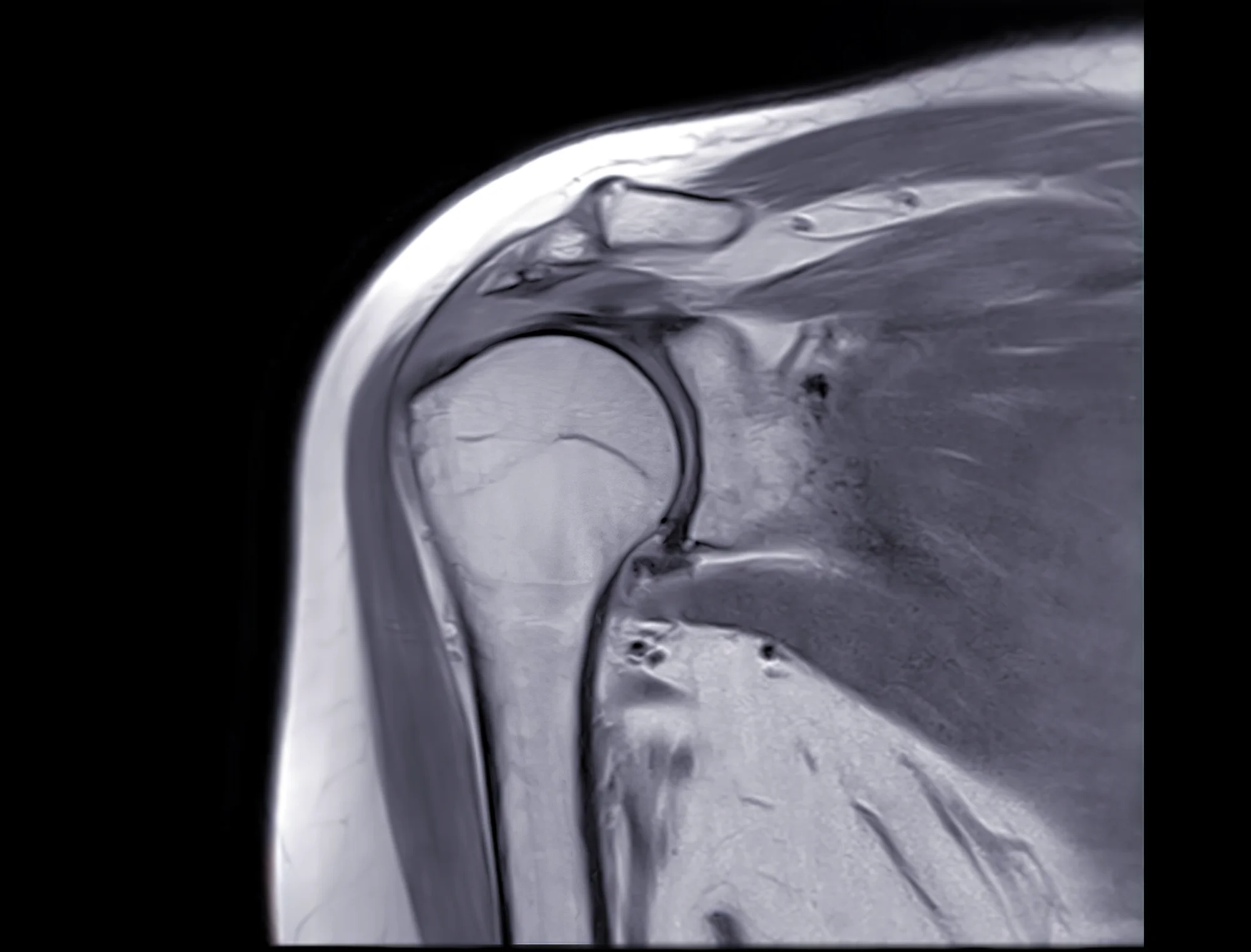
Imaging tests frequently play a key role in the diagnostic process. X-rays may be ordered first. They won’t show the tendons themselves, but they can help rule out other issues, such as arthritis or a fracture, and may reveal indirect signs of a long-standing rotator cuff problem. An MRI can visualize soft tissues and help identify the location, size, and type of tear. In some cases, an ultrasound may also be used to visualize the tendons in real time.
Treatment Options for a Torn Rotator Cuff
Not every torn rotator cuff requires surgery. Treatment options depend on many factors, including the size of the tear, your age, your activity level, and how much the injury is affecting your day-to-day life. I always aim to work collaboratively with my patients to find an approach that makes sense for their specific goals and circumstances.
Non-Surgical Treatment
Many patients with a torn rotator cuff respond well to conservative management. This may include:
- Rest and activity modification: Avoiding movements that aggravate your symptoms can help reduce pain and allow the surrounding tissues to calm down.
- Physical therapy: A targeted exercise program can help strengthen the muscles supporting the shoulder and improve overall function.
- Anti-inflammatory medications: Over-the-counter options such as ibuprofen or naproxen may help manage pain and swelling in the short term.
Non-surgical treatment tends to work well for smaller or partial tears and for patients whose symptoms are manageable with conservative care. The goal is always to reduce pain and restore as much function as possible.
Surgical Treatment
Surgery may become the right conversation to have when non-surgical approaches haven’t provided enough relief, when the tear is large or complete, or when an active patient wants to return to a high level of function. The most common surgical approach for a torn rotator cuff is arthroscopic repair. This minimally invasive procedure uses small incisions and a tiny camera to reattach the torn tendon to the bone.
In more complex cases, such as large or massive tears with associated changes to the surrounding muscle tissue, additional procedures or alternative surgical strategies may need to be considered. Your individual anatomy, the extent of the tear, and your personal goals will all factor into the conversation about the best path forward.
Summary
A torn rotator cuff is one of the most common shoulder problems I treat, and it can show up in a variety of ways. Pain, particularly at night or with overhead activity, weakness, difficulty raising the arm, and a crackling sensation in the shoulder are all potential signs worth taking seriously. That said, symptoms can vary widely from person to person, and not every tear presents the same way. The most reliable way to know whether you have a torn rotator cuff is to get evaluated by a shoulder specialist who can bring together your history, physical examination, and imaging findings to reach an accurate diagnosis. With the right information in hand, we can build a treatment plan that’s tailored to your specific situation.
Frequently Asked Questions
Can a torn rotator cuff heal on its own?
Tendon tissue has a relatively limited blood supply, which means rotator cuff tears don’t usually heal on their own the way a muscle or bone might. However, many patients experience improvement in their symptoms through conservative treatment, including physical therapy and activity modification. Whether surgery is ultimately needed depends on factors like the size of the tear, the patient’s age, and their functional goals.
How do I know if my shoulder pain is from a rotator cuff tear or something else?
Several conditions can cause shoulder pain that looks similar, including bursitis, shoulder impingement, a labral tear, and arthritis. The symptoms can overlap considerably, which is why a thorough clinical evaluation is important for reaching an accurate diagnosis.
Is it okay to keep exercising with a torn rotator cuff?
This depends on the size and type of the tear, as well as the specific activities you’re doing. Some exercise can actually be beneficial. A physical therapist or shoulder specialist can guide you toward activities that support recovery rather than risk further damage.