If you’ve been dealing with nagging shoulder pain, shoulder arthritis may be worth considering as a possible cause. Understanding shoulder arthritis symptoms and treatment is often the first real step toward finding relief and improving function. In this post, I’ll walk you through what shoulder arthritis actually is, how to recognize it, and what your options may look like going forward.
Key Takeaways
- Shoulder arthritis involves the gradual breakdown of cartilage inside the shoulder joint, which can lead to pain, stiffness, and reduced movement over time.
- Symptoms can vary depending on the type and severity of arthritis, but pain and limited range of motion tend to be among the most common signs.
- Shoulder arthritis symptoms and treatment options span a wide range, from activity modification and physical therapy to surgical interventions like shoulder replacement.
What Is Shoulder Arthritis?
The shoulder is one of the most mobile joints in the body. It allows you to reach, lift, throw, and rotate your arm in nearly every direction. That incredible range of motion depends on healthy cartilage, the smooth, slippery tissue that lines the ends of the bones inside the joint. When that cartilage begins to wear down or becomes damaged, the bones can start to rub against each other.
Shoulder arthritis is not a single condition. Several types can affect the shoulder, and each has its own causes and characteristics. Osteoarthritis, often called “wear-and-tear” arthritis, is perhaps the most familiar. It tends to develop gradually, particularly in people over 50. Rheumatoid arthritis is an autoimmune condition where the body’s immune system attacks the joint lining, causing chronic inflammation. Posttraumatic arthritis can develop years after an injury like a fracture or dislocation, even when the original injury seemed to heal well. And rotator cuff tear arthropathy is a specific form that can develop when a large, long-standing rotator cuff tear goes untreated and the joint mechanics shift over time.
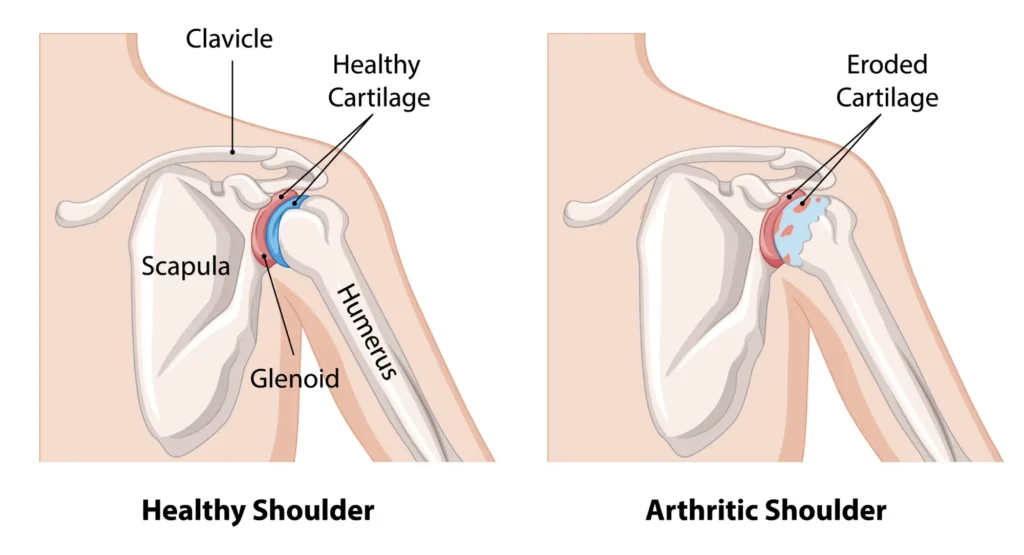
No matter the type, shoulder arthritis can have a real impact on daily life. Simple things, such as reaching into a cabinet, getting dressed, and sleeping through the night, can become surprisingly difficult.
Recognizing the Symptoms of Shoulder Arthritis
One of the trickier aspects of shoulder arthritis is that its symptoms tend to develop slowly. Many of my patients describe a gradual process where things just got harder over time. Because the onset can be subtle, people sometimes wait longer than they should before seeking an evaluation. Knowing what to watch for can make a meaningful difference.
Pain
Pain is typically the most prominent symptom. It commonly starts as a dull ache that surfaces after activity and fades with rest. Over time, it may become more persistent. Some people feel a deep, achy sensation in the back or side of the shoulder, particularly when the main ball-and-socket joint is involved. If the acromioclavicular (AC) joint at the top of the shoulder is affected, the pain tends to concentrate right there, where the collarbone meets the shoulder blade. As shoulder arthritis progresses, even light activity or minor movements can trigger discomfort.
Stiffness
Stiffness is another possible symptom of shoulder arthritis. It tends to be most noticeable first thing in the morning or after sitting still for a long period. Many patients describe their shoulder as needing time to “warm up” before it moves properly. That stiffness may ease with gentle movement. As the condition advances, the stiffness can become more constant and harder to shake.
Grinding, Clicking, or Crunching
A lot of people with shoulder arthritis notice a grinding, clicking, or crunching sensation when they move their arm. This is called crepitus. It happens because the cartilage surfaces inside the joint have become roughened or uneven. When those surfaces rub together, they produce that noticeable sensation, sometimes even an audible sound.
Limited Range of Motion
Over time, shoulder arthritis can make it harder to move your arm through its full range of motion. You might struggle to lift your arm overhead, reach behind your back, or rotate comfortably. Tasks that once felt effortless can start to feel like real challenges. That limitation can stem from pain, stiffness, or physical changes inside the joint itself, like cartilage loss or the development of bone spurs.
Night Pain and Disrupted Sleep
This one catches a lot of people off guard. Night pain is surprisingly common with shoulder arthritis, and it can seriously affect sleep quality. Many of my patients find it difficult to lie on the affected side, or they wake during the night with a deep, throbbing ache. Chronic sleep disruption from shoulder pain can take a real toll over time.
Swelling and Tenderness
Some patients notice mild swelling around the joint, though this tends to be more common with inflammatory forms of arthritis like rheumatoid arthritis. The area may feel tender to the touch. During flare-ups, some people notice warmth or mild redness around the joint as well.
How I Diagnose Shoulder Arthritis
When a patient comes in with these kinds of symptoms, I typically start with a thorough conversation. I want to understand when things began, how they’ve changed over time, what makes them better or worse, and how they’re affecting daily life. A history of previous shoulder injuries, surgeries, or relevant medical conditions also is important information.
From there, I perform a physical examination. I assess how well you can move your arm, where the tenderness is located, whether there’s any crepitus, and how the muscles surrounding the shoulder feel. That hands-on assessment gives me useful information before we even look at imaging.
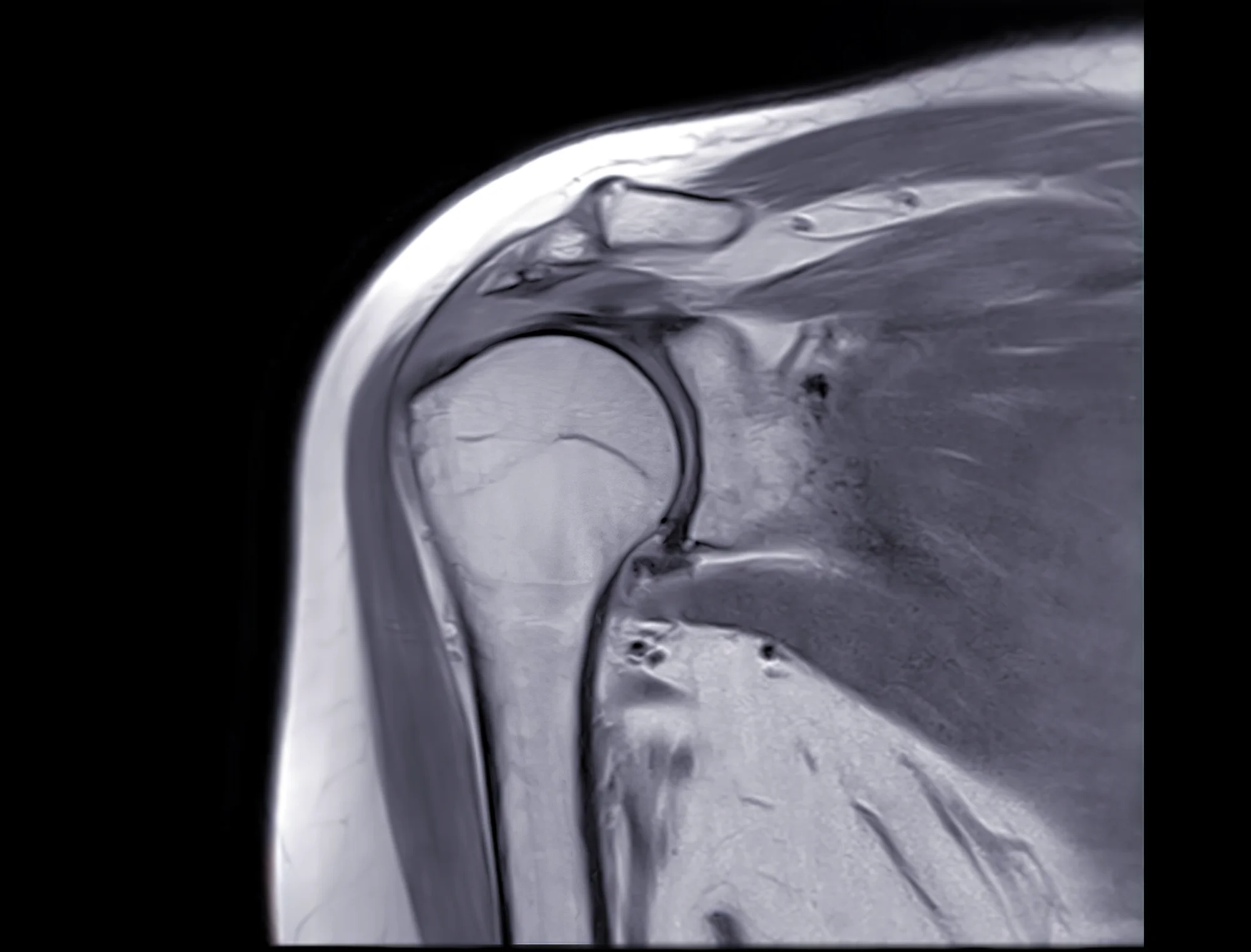
In many cases, X-rays are the first imaging step. They can reveal joint space narrowing, bone spurs, and structural changes that are characteristic of shoulder arthritis. In some cases, your doctor may also recommend an MRI to get a clearer picture of the soft tissues, including the rotator cuff and any remaining cartilage. A CT scan may occasionally be helpful when planning a surgical approach.
Shoulder Arthritis Non-surgical Treatment Options
There are many ways to address shoulder arthritis, and treatment doesn’t always have to mean heading straight to the operating room. For many patients, we start with conservative approaches and consider more involved options only when those aren’t providing enough relief.
Activity Modification: One of the simplest but most impactful strategies is learning to move differently. That might mean adjusting your workout routine, changing how you approach certain tasks at work, or temporarily avoiding activities that consistently aggravate your shoulder. This isn’t about giving up an active life. It’s about being thoughtful with how you load the joint.
Physical Therapy: A well-designed physical therapy program can make a real difference. A physical therapist can help strengthen the muscles surrounding the shoulder, improve flexibility, and restore as much range of motion as possible. Stronger, more balanced muscles help offload stress from the joint and may reduce pain over time.
Medications: Over-the-counter anti-inflammatory medications may help manage pain and reduce inflammation, particularly during flare-ups. For more significant inflammation, a corticosteroid injection can deliver anti-inflammatory medication directly into the joint, often providing meaningful though temporary relief. For patients with rheumatoid arthritis, disease-modifying medications coordinated with a rheumatologist may also play an important role in overall management.
Heat and Ice: Applying heat or ice can offer real day-to-day comfort. Ice may help reduce swelling and numb acute pain, while moist heat can loosen stiff muscles and improve circulation to the area. Many patients find that alternating between the two works well for ongoing symptom management.
When Surgery May Be the Right Step
Surgery may become a consideration when non-surgical treatments no longer provide adequate relief, or when shoulder arthritis has compromised your ability to function and enjoy your life. The decision is always a shared one. I want to understand your goals, your lifestyle, and what matters most to you before we talk through any procedure.
Shoulder Arthroscopy: For milder cases of shoulder arthritis, arthroscopy may offer some benefit. This minimally invasive procedure involves making small incisions and inserting a tiny camera into the joint. Using small instruments, I can remove loose cartilage fragments, trim inflamed tissue, or smooth down bone spurs. Arthroscopy can help relieve pain and improve movement, though it tends to work best for earlier-stage arthritis.
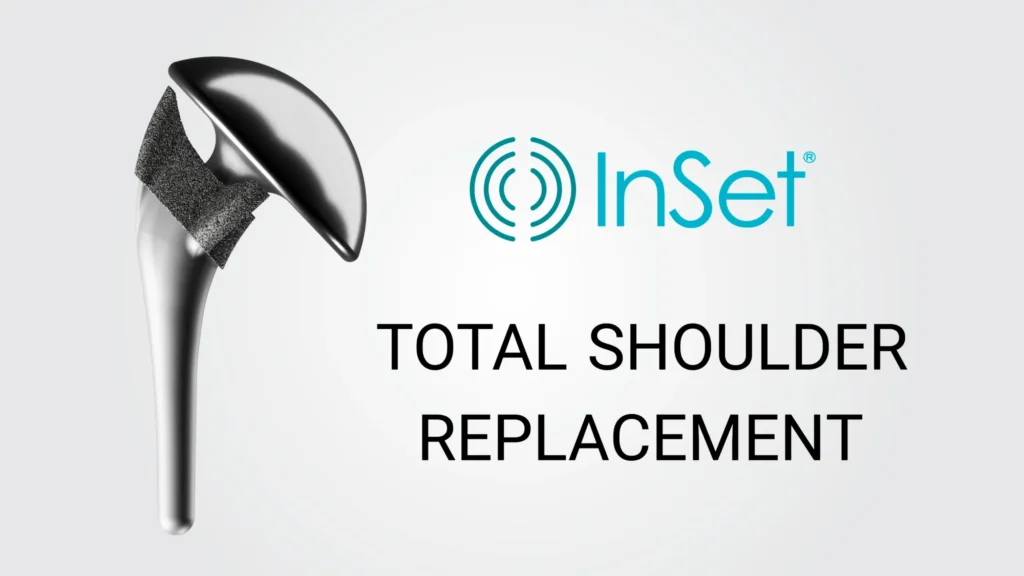
Total Shoulder Replacement: When arthritis has caused significant joint damage, total shoulder replacement is often an effective option for appropriately selected patients. This procedure involves removing the damaged bone surfaces and replacing them with carefully crafted artificial components. The goal is to relieve pain and restore comfortable, functional movement. It tends to work particularly well for patients whose rotator cuff is still intact.
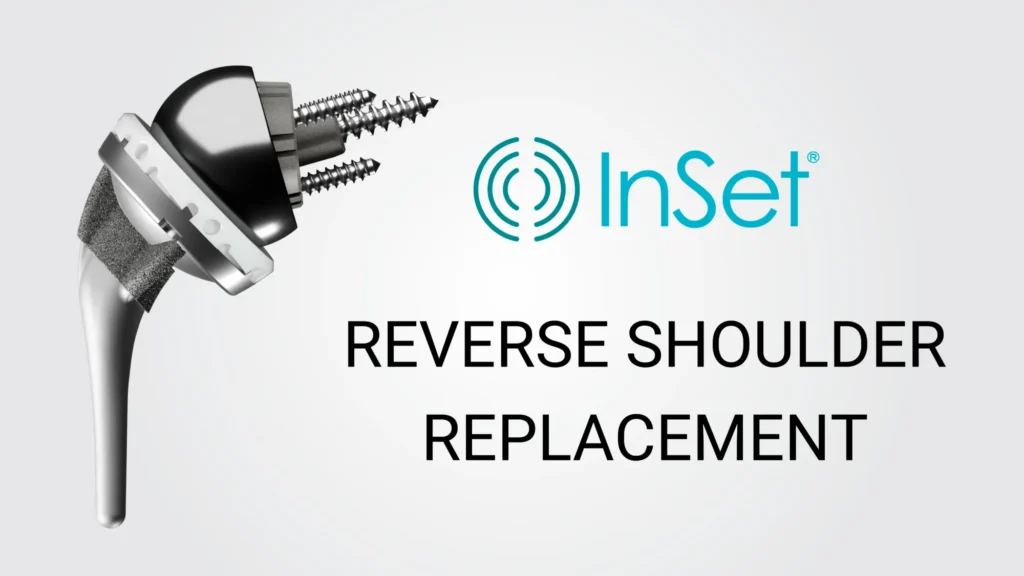
Reverse Total Shoulder Replacement: For more complex situations, such as rotator cuff tear arthropathy or severe arthritis combined with a non-functional rotator cuff, reverse total shoulder replacement may be the recommended choice. In this procedure, the positions of the ball and socket components are intentionally switched. This design allows the deltoid muscle to take over the work that the damaged rotator cuff can no longer fully perform. It can be a highly effective procedure for the right patients and has helped many people regain function and comfort.
The best option depends on several factors, including the type and severity of your shoulder arthritis, your age, your activity goals, and your overall health. An experienced shoulder specialist can review your condition and help guide the most appropriate treatment path for you.
Summary
Shoulder arthritis is a common condition. It can develop in several different forms and tends to show up gradually through increasing pain, stiffness, grinding sensations, reduced range of motion, and disrupted sleep. Whether your situation calls for physical therapy and medication or a more involved surgical approach, many options may be available. If shoulder discomfort has been affecting your daily life, I’d encourage you to schedule a consultation.
Frequently Asked Questions
Is shoulder arthritis the same as a rotator cuff tear?
No, these are distinct conditions, though they can sometimes occur together. A rotator cuff tear involves damage to the tendons surrounding the shoulder joint, while shoulder arthritis refers to the breakdown of cartilage within the joint itself. In some cases, a large, long-standing rotator cuff tear can eventually contribute to a specific type of arthritis called rotator cuff tear arthropathy.
At what age does shoulder arthritis typically develop?
Osteoarthritis of the shoulder most commonly develops in people over the age of 50, though it can occur earlier, especially following a shoulder injury. Inflammatory forms like rheumatoid arthritis can affect people at younger ages. Timing varies widely depending on the type of arthritis, individual health history, and activity level.
What happens if shoulder arthritis goes untreated?
Without treatment, shoulder arthritis symptoms may worsen gradually over time. Pain may become more constant, range of motion may continue to decline, and everyday activities can become increasingly difficult. Seeking an early evaluation allows you to begin management before the condition progresses significantly.