One of the questions I hear most often from patients is, “What does shoulder replacement recovery actually look like?” It’s an important question. In this post, we’ll review a realistic, week-by-week picture of what the recovery process may look like and what you can expect along the way.
Every patient’s path through shoulder replacement recovery is a little different. Your age, overall health, the specific procedure you had, the condition of your rotator cuff, and how closely you follow your rehabilitation plan all play a role in shaping your individual timeline. That said, there are consistent patterns that tend to emerge, and understanding them ahead of time can help you feel more prepared at each stage.
Key Takeaways
- Shoulder replacement recovery generally unfolds over several months, with improvements commonly continuing for a full year or longer.
- Physical therapy is an important component of recovery, and consistent participation may support improved function and mobility over time.
- Every patient’s timeline varies. Comparing your recovery to someone else’s experience isn’t always accurate.
Before We Talk About the Timeline
It helps to know upfront that shoulder replacement recovery isn’t a straight line. You might have a strong week followed by a few harder days. That’s completely normal. Healing doesn’t always move in one direction, and discomfort levels can fluctuate as your body works through the process. A setback in week four doesn’t mean the whole recovery is off track.
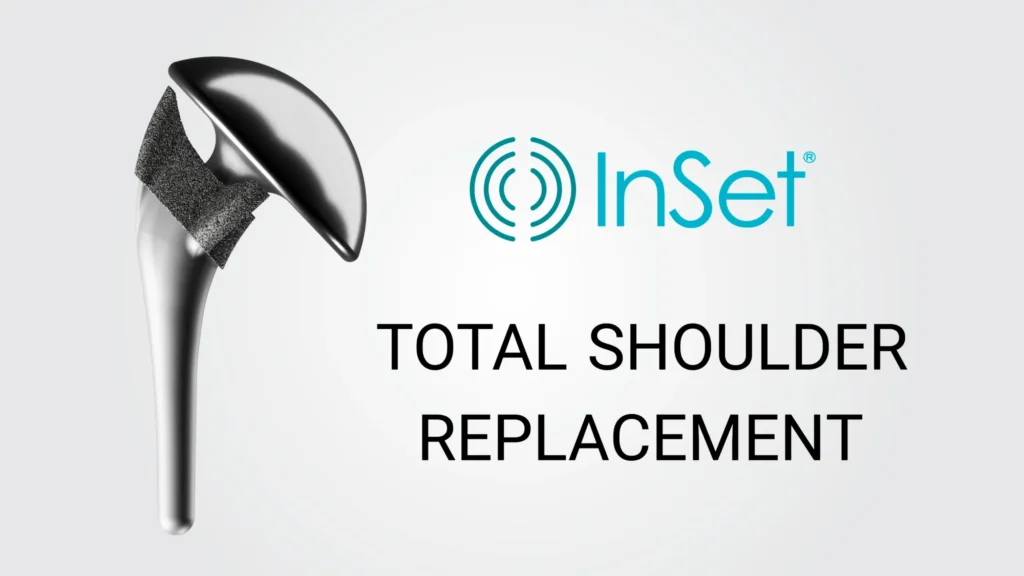
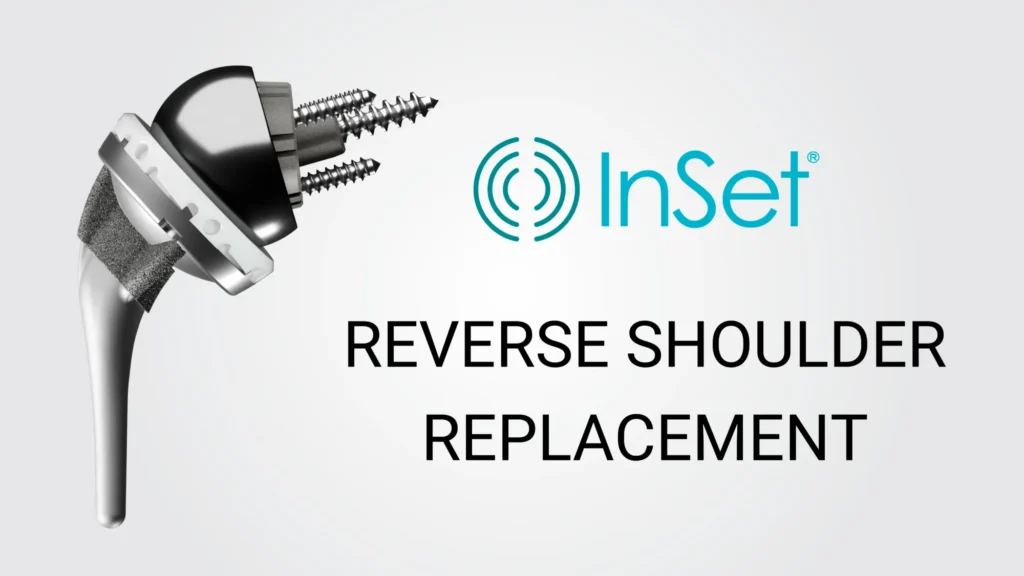
There’s also an important distinction based on the type of replacement you had. Total shoulder replacement and reverse shoulder replacement follow broadly similar recovery arcs, but there are differences, particularly in early range of motion expectations and certain activity restrictions. Your care team will provide guidance specific to your procedure.
Week 1: Coming Home and Getting Settled
The first week after surgery is largely about rest, protection, and managing discomfort. Many patients go home the same day as surgery or after one overnight stay. You’ll leave in a sling, and you’ll wear that sling for a portion of the early recovery period.
Some pain and swelling during this first week are expected. Your surgical team will have recommended medications to help manage your discomfort, and it’s important to take them as directed, particularly in the first few days. Staying ahead of pain, rather than waiting until it’s severe, tends to lead to a smoother early recovery for most patients.
A few things to keep in mind during week one:
- Keep the incision area clean and dry, and follow your surgeon’s specific wound care instructions carefully.
- Ice may help with swelling. Ask your care team about their preferred approach before you leave the hospital.
- Sleep will likely be uncomfortable. Many patients find that sleeping in a recliner, or propped up with pillows at roughly a 45-degree angle, may be more manageable than lying flat in the early days.
- You’ll have very limited use of the arm. Plan ahead for this. Having help around the house for the first week or two can make a meaningful difference in how that stretch feels.
Getting up, moving around the house, and taking short walks may be encouraged. You don’t need to stay completely still, and light movement is generally a good thing even in these early days.
Weeks 2–3: Finding Your Footing
By weeks two and three, the most acute phase of discomfort often starts to ease for many patients. You may still feel sore and tired, but the intensity tends to diminish gradually. Most people find they’re sleeping a bit better and managing daily tasks with less difficulty.
You’ll still be in your sling during this stretch. This is not the time to push your range of motion independently or try to use the arm for tasks it isn’t ready for. The soft tissue around the joint needs protected time to heal properly. Rushing that process may increase the risk of complications.
Depending on your surgeon’s protocol, you may begin some very gentle pendulum exercises at home or with a physical therapist during this window. These are passive movements. Gravity does most of the work while you allow the arm to dangle and make small, controlled motions. They serve an important purpose in keeping the joint from stiffening up during a period when active movement isn’t yet appropriate.
Weeks 4–6: Physical Therapy Takes the Lead
This phase often represents a transition point in the recovery process for many patients. Formal physical therapy typically becomes a bigger part of your routine, and your therapist begins guiding you through a more structured set of exercises designed to gently restore range of motion.
The focus during these early therapy weeks tends to be on passive and assisted movement. That means your therapist, or a pulley system, helps move your arm, rather than you using your own muscle strength to drive the motion. This is intentional. Asking the shoulder to actively contract against resistance too early can place strain on structures that aren’t ready for it yet. Building range of motion carefully and progressively is generally recommended.
You may also begin transitioning out of the sling during certain activities around this time, depending on your surgeon’s protocol. Sling use during sleep may continue a bit longer.
Weeks 7–12: Building on the Foundation
By weeks seven through twelve, most patients are noticeably more comfortable in their day-to-day lives. Simple tasks, such as getting dressed, personal hygiene, and meal preparation, become more manageable for many people. The shoulder starts to feel less fragile.
Physical therapy continues, and the exercises typically shift toward more active work during this stretch. You’ll begin using your own muscle strength to move the shoulder through its range of motion, rather than relying entirely on external assistance. Strengthening exercises for the rotator cuff and surrounding muscles may also be introduced, usually in a careful, progressive manner.
Range of motion commonly improves during this period. Many patients notice they can reach forward and out to the side more comfortably than they could a few weeks earlier. Overhead reach tends to come more gradually, and the timeline for that varies quite a bit depending on the type of replacement and each patient’s individual anatomy.
Returning to driving is something patients frequently ask about. The timing varies depending on which shoulder was operated on, your surgeon’s guidance, and your comfort level with vehicle controls. Many surgeons advise waiting until you’re no longer in a sling and can react safely in an emergency. Talk with your care team directly about your specific situation.
Months 3–6: Meaningful Progress
Shoulder replacement recovery often reaches a noticeable milestone here. Discomfort tends to decrease significantly for most people, and functional gains start to feel genuinely meaningful in everyday life.
Activities like cooking, light gardening, grocery shopping, and reaching items on shelves become increasingly possible for many patients. Some people begin returning to favorite hobbies, light recreational activities, or modified work duties around this time, depending on what those activities involve.
It’s worth remembering that healing is still actively happening internally, even when you feel much better on the surface. The bone and tissue around your implant continue to mature and consolidate during this window. That’s part of why following your activity guidelines remains important even when you feel more capable than the restrictions might suggest.
Months 6–12 and Beyond: The Long Game
While many patients feel substantially better by the six-month mark, improvements in strength, range of motion, and comfort may continue for a full year or longer after surgery.
By this stage, many patients have returned to the activities they value most. Walking, swimming (after appropriate healing), cycling, light hiking, golf, and recreational tennis are often possible for appropriate candidates in the later months of recovery. Return to more demanding activities should be discussed carefully with your surgeon based on your specific implant and healing progress.
What May Affect Your Recovery Timeline
No two shoulder replacement recoveries look exactly alike. A few of the factors that may influence how your timeline unfolds include:
- Your commitment to physical therapy. Attending sessions, completing your home exercises, and working closely with your therapist can make a real difference in both the pace and the quality of your recovery.
- Your baseline health and fitness. Patients who were in good general health going into surgery tend to do well, though every person’s path differs.
- The condition of your rotator cuff. Patients with an intact rotator cuff typically follow a somewhat different rehab path than those with significant cuff damage, which is common with reverse shoulder replacement.
- Prior shoulder surgery. If you’ve had previous procedures on the same shoulder, your recovery may be more complex.
- Sleep and nutrition. Both play a real role in healing. Good sleep and adequate protein intake support tissue recovery in ways that can matter more than people often realize.
Summary
Shoulder replacement recovery is a process that unfolds over months, not days or weeks. The first stretch centers on protection and rest, allowing the tissues to heal without interruption. Physical therapy becomes a driver of progress in the middle phases, building range of motion and strength in a careful, structured way. By the three-to-six-month mark, many patients report meaningful improvements in comfort and daily function. And the positive changes often continue well beyond that point.
My goal is always to prepare patients thoroughly so that nothing in the recovery process feels surprising or alarming when it arrives. If you’re preparing for shoulder replacement, or if you’re currently in the middle of recovery and have questions, I’d encourage you to stay in close communication with your care team. Recovery looks different for everyone, and working together to navigate your individual timeline may support a safe and effective recovery process.
Frequently Asked Questions
How long does shoulder replacement recovery typically take?
Most patients move through the major phases of recovery over six to twelve months, though improvements can continue beyond that point. The first six weeks tend to focus on protection and early range of motion. Meaningful functional gains often emerge in the three-to-six-month window. Timelines vary, and your specific situation will shape your experience.
When can I return to work after shoulder replacement?
This depends heavily on the nature of your job. Patients with desk-based or sedentary roles may be able to return within a few weeks, often with some accommodations. Those with physically demanding jobs typically need a longer recovery period and may need a modified duty arrangement. Talking with your care team about your job requirements before surgery allows you to plan for this thoughtfully in advance.
What does normal pain look like during recovery?
Some pain and discomfort are expected throughout the recovery process, particularly in the first several weeks. Discomfort during and after physical therapy sessions is common as the shoulder adapts to movement. What you want to watch for is pain that feels sudden, severe, or meaningfully different from your baseline, especially if it’s paired with swelling, reduced motion, or an unusual sensation in the joint. Those changes are worth reporting to your care team.