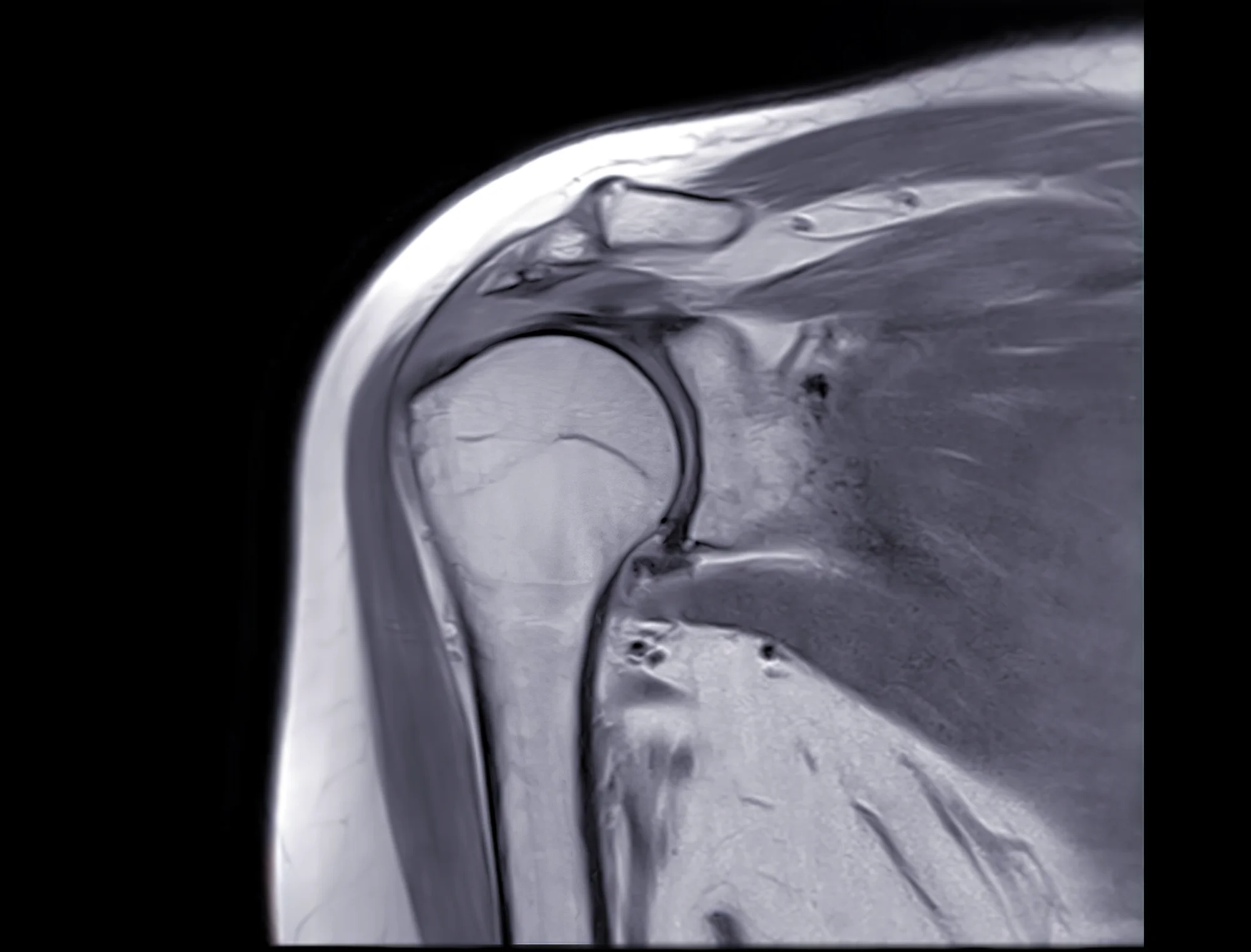
One of the most common things patients ask me is: what can you never do after shoulder replacement? And honestly, it’s one of the most important questions you can ask. However, there’s no single answer that fits everyone. Your age, overall health, the type of replacement you received, and the condition of your surrounding tissue all shape your individual picture. That said, some general guidelines apply to most people, and understanding them early can help you protect your investment and plan for a strong future.
Key Takeaways
- The answer to what you can never do after shoulder replacement depends heavily on your individual situation. Your surgery, your body, and your goals all matter.
- High-impact contact sports, repetitive heavy lifting, and forceful overhead loading typically carry the highest long-term risk for most patients.
- Many patients can return to a wide range of everyday activities and light recreational sports after a full recovery.
Shoulder Replacement Surgery: Context
Before diving into restrictions, it helps to understand what shoulder replacement surgery actually involves. During this procedure, damaged joint surfaces are replaced with carefully selected artificial implants. At my practice, I perform both total shoulder replacement and reverse shoulder replacement.
For total shoulder replacement, most often recommended for patients with shoulder arthritis, I use the InSet® Total Shoulder System. For patients who need a reverse replacement, often due to large rotator cuff tears, cuff tear arthropathy, or complex fractures, I use the InSet® Reverse Shoulder System. These implants are designed to support stability and long-term function of the shoulder joint.
With that context in mind, let’s talk through what you should know.
High-Impact and Contact Sports
Contact sports sit at the top of the list when patients ask what they can never do after shoulder replacement. Activities like tackle football, rugby, hockey, martial arts, and boxing create high forces through the shoulder joint. After shoulder replacement, these impacts may increase the risk of implant loosening, fracture around the implant, or accelerated wear over time. For many patients, these activities are generally discouraged on a long-term basis.
That doesn’t mean everything enjoyable is off the table. But it does call for honesty. If you were deeply invested in contact sports before surgery, your surgeon needs to know that, and you should have a conversation about realistic risk before committing to getting back out there.
Many patients find they can enjoy lower-intensity or recreational versions of these activities. Others decide the risk simply isn’t worth it.
Heavy Lifting and Weight Limit
Another area that comes up constantly is lifting. How many pounds can you lift after shoulder replacement? There’s no single magic number, but general guidance tends to suggest that repetitive heavy lifting may accelerate wear on your implant over time.
Some surgeons suggest general lifting guidelines for repetitive tasks on the operated arm, often in the range of about 15 to 25 pounds. However, these limits vary depending on the patient, the implant used, and the surgeon’s recommendations.
What applies more broadly: the early post-operative period requires strict, carefully guided lifting restrictions. In the first weeks to months after surgery, even light lifting can interfere with healing. Follow your rehabilitation plan closely.
Heavy overhead lifting deserves special attention, too. Loading the shoulder significantly while your arm is above your head, like pressing heavy weights, lifting boxes onto high shelves, or performing certain types of manual labor, places a specific type of force on the joint. Long-term caution around forceful overhead loading is common guidance for most shoulder replacement patients.
Overhead Activities and Repetitive Motion
Regaining the ability to reach overhead is one of the most significant quality-of-life improvements that shoulder replacement can offer. Many patients arrive at surgery unable to lift their arm above shoulder height at all. After a successful recovery, most patients regain meaningful overhead function.
However, there’s a real difference between reaching overhead to grab a glass from a cabinet and spending hours doing forceful, repetitive overhead work. Occupations or hobbies that involve sustained overhead activity may place your implant under repeated strain over time.
If your job involves significant overhead physical demands, bring that up before surgery. Discussing your realistic return-to-work timeline and potential workplace modifications is something we plan for together. In some situations, an adjusted role or job accommodation becomes part of the long-term picture. It’s better to plan for that thoughtfully upfront than to encounter it unexpectedly after your procedure.
Ignoring Pain: The One Thing You Should Never Do
When patients ask what can you never do after shoulder replacement, they usually expect a list of physical activities. But one of the most important answers isn’t a movement at all. Persistent or unusual pain after shoulder replacement should be evaluated by your surgeon or care team.
Some discomfort in the weeks and months after surgery is completely expected. That’s part of healing, and it’s normal. But ongoing pain, worsening symptoms, or new sensations, especially if paired with swelling, reduced range of motion, grinding, or an unusual clunking feeling in the joint, are signals worth investigating.
If something feels off, don’t simply push through it hoping it resolves on its own. Reach out to your surgeon’s office. A quick check-in can save you a much bigger problem down the road.
Sleep Positions and Daily Body Mechanics
This one surprises a lot of patients. Sleep position can influence comfort during recovery after shoulder replacement. In the early recovery period, sleeping flat and rolling directly onto the operated shoulder may cause significant discomfort and may not be ideal for healing. Many patients find the most comfortable early approach is sleeping in a recliner or with wedge pillows that prop them into a more upright position.
As healing progresses, most patients transition back to a more typical sleep setup. But repeatedly sleeping in positions that place sustained direct pressure on the shoulder, or that twist the joint awkwardly throughout the night, can contribute to discomfort over time.
Daily body mechanics matter just as much. Pushing yourself out of a chair using only the operated arm, reaching aggressively behind your back, or placing your full body weight on the arm can load the joint in unexpected ways.
A Note of Encouragement
After talking through limitations, it’s important to spend a moment on the positive side. Shoulder replacement surgery is not meant to sideline you from life. For many patients, it may open the door to activities they haven’t been able to do in years.
Walking, swimming (after appropriate healing), cycling, light hiking, golf, recreational tennis, and other low-impact activities may become possible again for many shoulder replacement patients.
Recovery takes time, and improvements in strength and mobility may continue for a year or longer after surgery. The early months can feel slow and frustrating, and that’s completely understandable. But for the majority of patients who commit to their rehabilitation and follow guidance carefully, the long-term picture is genuinely encouraging.
Summary
So, what can you never do after shoulder replacement? The most honest answer is: it depends on you. Your surgery, your health, your recovery, and your personal goals all factor into the equation. High-impact contact sports, heavy repetitive lifting, sustained overhead loading, and ignoring warning signs are consistently among the highest-concern areas for most patients. But there is no rigid, one-size-fits-all list. The most valuable thing you can do is stay closely connected with your surgical team, commit to your physical therapy program, and give your shoulder the time it needs to heal.
Frequently Asked Questions
Can I ever lift weights again after shoulder replacement?
Many patients do return to some form of weight training after a full recovery. However, heavy repetitive lifting, particularly overhead pressing with significant load, may be discouraged long-term for most patients. Your specific clearance will depend on your implant type, your healing progress, and your individual anatomy.
Is it safe to play golf after shoulder replacement?
Many people do make it back to the course. Many patients are advised to wait several months before returning to activities like golf. Let your shoulder set the pace, and keep your surgeon in the loop.
What happens if I accidentally do something I shouldn’t after shoulder replacement?
A single unexpected incident, like catching yourself during a fall or accidentally grabbing something heavier than recommended, doesn’t necessarily mean serious damage has occurred. That said, if you notice new or unusual pain, swelling, or a change in shoulder function following any such event, it’s worth contacting your surgeon’s office promptly.